



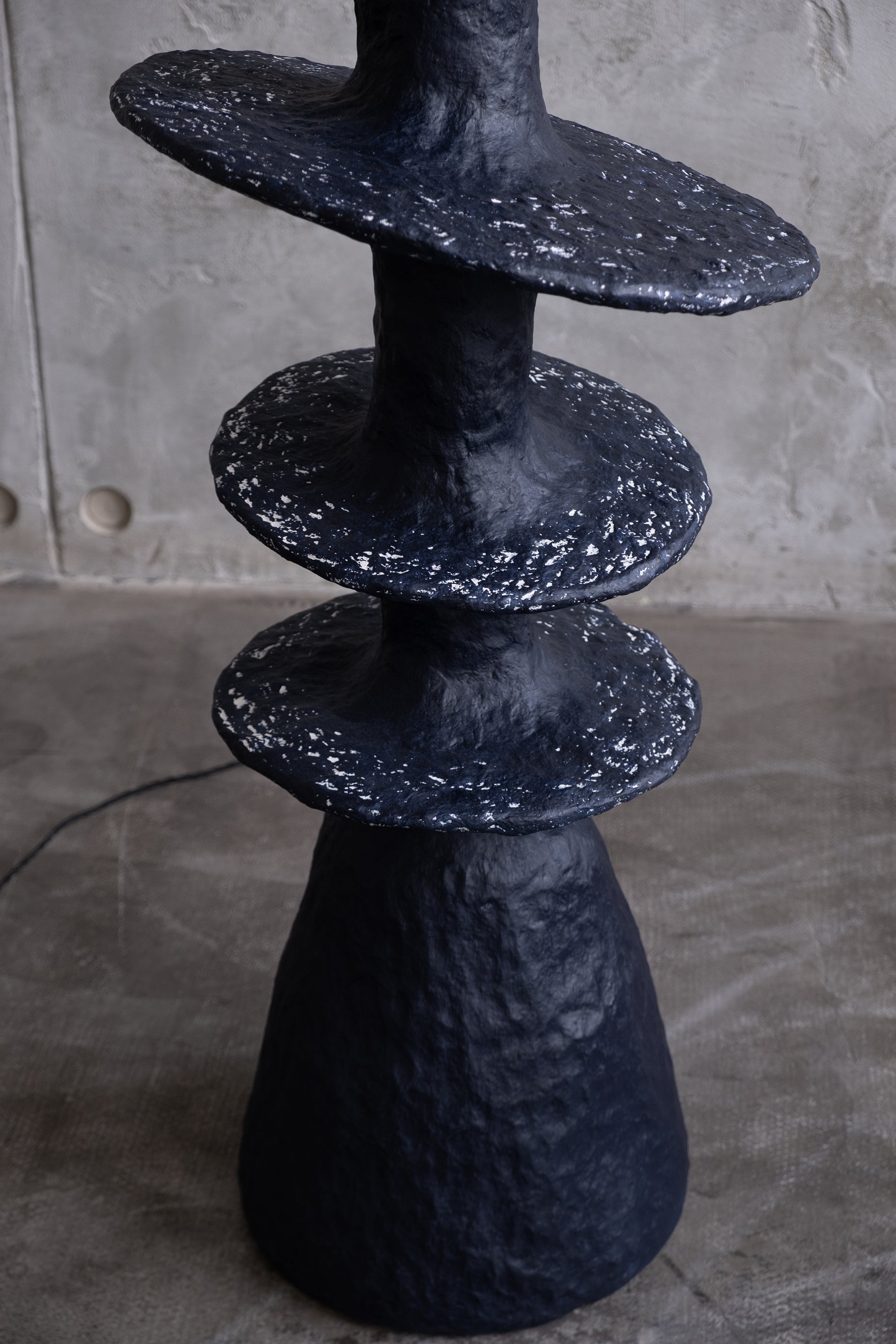
For decades, handmade objects lived in the shadow of the industrial world — respected, but rarely valued. “Craft” meant hobby, not investment. “Handmade” meant charming, but not serious. That era is over.
The global shift toward collectible design has transformed the role of hand-built objects in the marketplace. What was once considered craft is now becoming cultural currency.
A sculptural lamp made by hand is no longer “a product.”
It is a limited edition.
A coffee table shaped individually instead of molded by a machine is not furniture — it is a one-of-one artifact.
Collectors are not just buying function.
They are buying authorship, proof of hand, and emotional permanence.
What Makes a Hand-Built Object Collectible (Not Just Handmade)
The difference between “craft” and “collectible” is not the material — it is the framework of value around it.
A collectible object has:
A clear artistic intention behind the form
A recognizable material or technique that defines the maker
Limited production (editions, not batches)
Narrative and origin that can be traced
Emotional resonance that survives trends
Timeless, not seasonal, relevance
That is why the same clay lamp can be sold for $180 on Etsy and $4,800 at Design Miami — the difference is not clay. The difference is context, authorship, scarcity, and perception.
Why Collectors Are Turning to Hand-Built Objects
Three cultural shifts explain the rise:
Machine fatigue
People are tired of objects that look perfect, repeatable, replaceable, and anonymous.
Emotional ownership
A handmade object feels like it was made for someone, not for everyone.
Alternative investment market
Furniture is becoming a new asset class. Collectible design auctions now sit next to fine art auctions — and prices are climbing every year.
Friedman Benda, Phillips, Christie’s, and Carpenters Workshop Gallery have already proven: sculptural furniture can appreciate as fast as contemporary painting.
Why Time Increases the Value of Authentic Objects
There is a reason why collectors say:
“The object is not valuable when it is bought — but when it is kept.”
Objects that survive become part of culture.
Objects that disappear become part of memory.
Objects that repeat become invisible.
The hand gives permanence.
The machine gives replacement.
The Role of Material Truth
The rise of collectible furniture is not just artistic — it is material.
Clay, charred wood, stone dust, hemp fiber biocomposite, solid oak, brass, wool — these are not “styling choices.”
They are evidence. Evidence of origin, time, labor, touch.
Objects made from truthful materials age into authenticity.
Objects made from synthetic perfection age into landfill.
This is why designers are returning to:
raw edges instead of polished seams
visible hand-texture instead of industrial gloss
natural finishes instead of plastic coating
living surfaces instead of frozen ones
Value grows when the object grows older, not obsolete.
Where the Shift Is Visible Today
This movement is happening fastest in:
Design Miami and La Biennale Collectible Brussels
Carpenters Workshop Gallery (NY + London)
Galerie Philia (Paris + New York)
Friedman Benda and R & Company
1stDibs Collector’s Market
Private architecture-led residences in California, NYC, Austin
The new home is not built to “look new” — it is built to collect a future.
The Future of Hand-Built Design
There will always be mass furniture for fast living.
But there will also be a rising parallel world — the world of objects people refuse to throw away.
The next era of interior ownership will be defined by:
Not what we own, but what we preserve
Not what we buy, but what we inherit
Not what fills the room, but what stays when the room is empty
A collectible object is not bought.
It is chosen — and it outlives its moment.


