



The evolution of minimalist interiors
Minimalism has long been associated with clean lines, empty space, and strict visual order. While this approach brought clarity to interior design, it often resulted in spaces that felt cold and emotionally distant.
Warm minimalism emerged as a response — preserving simplicity while reintroducing comfort, texture, and human presence.
For interior designers, understanding this evolution is essential.
What defines classic minimalism
Traditional minimalism focuses on reduction.
Sharp geometry, monochrome palettes, smooth surfaces, and absence of decoration define the style. Interiors appear structured and visually controlled.
However, emotional warmth is often sacrificed for order.
Why minimal interiors began to feel cold
Over time, many minimalist interiors lost human connection.
Excessive smoothness and lack of material variation created sterile environments. Spaces looked impressive but felt uncomfortable for everyday living.
This disconnect triggered a shift toward warmer design language.
What is warm minimalism
Warm minimalism maintains clarity while introducing softness.
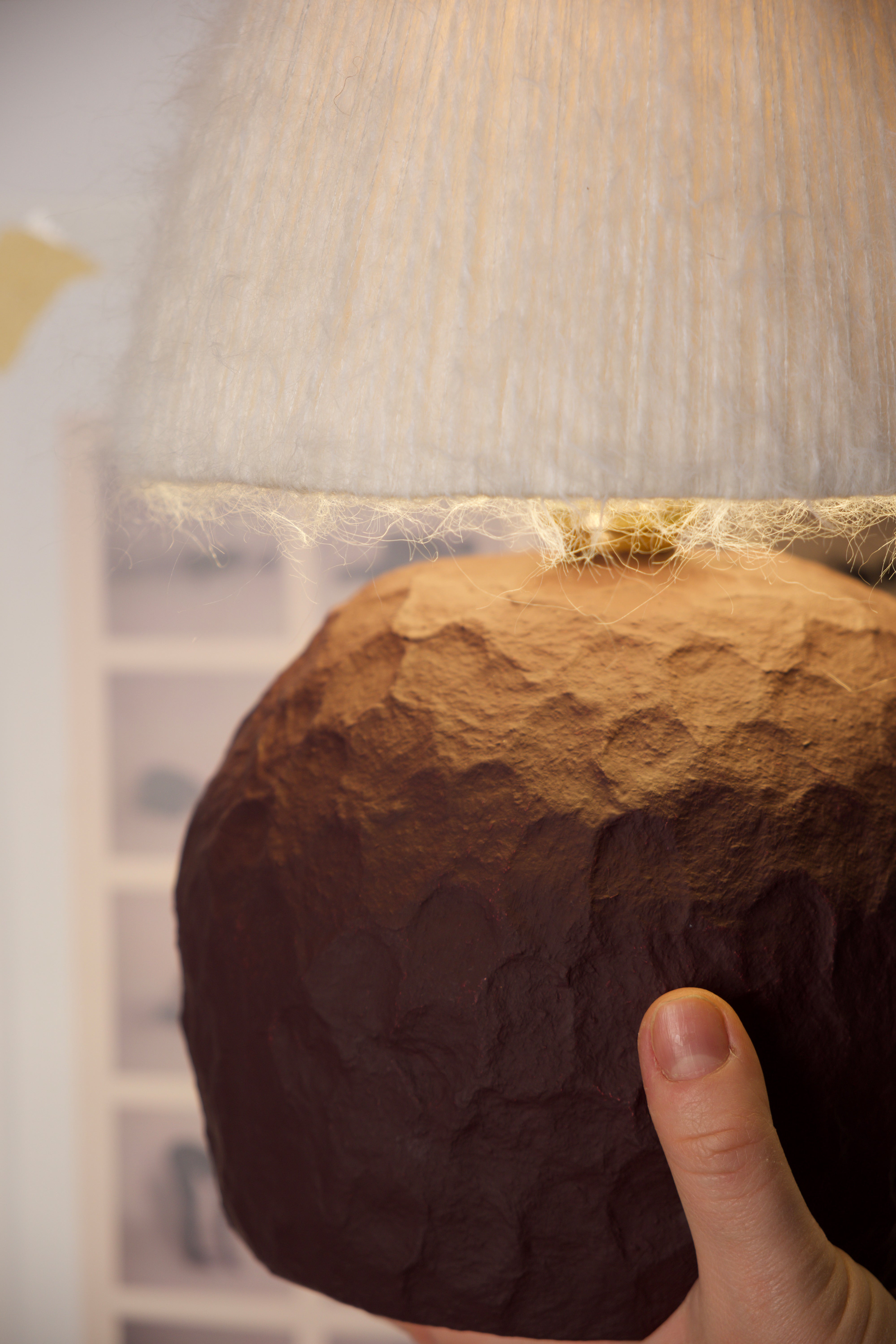
Natural materials, rounded forms, tactile surfaces, and layered lighting replace rigid geometry. Spaces remain minimal but emotionally inviting.
Warm minimalism focuses on balance rather than reduction alone.
Material differences between the two styles
Minimalism favors concrete, glass, and polished surfaces.
Warm minimalism introduces wood, wool, linen, clay, and textured plaster. These materials soften architecture and absorb light.
Material choice becomes central to emotional comfort.
Lighting as the main differentiator
Lighting defines the difference most clearly.
Classic minimalism relies on bright, uniform illumination. Warm minimalism uses soft diffusion, indirect light, and shadow gradients.
Lighting shifts from technical to atmospheric.
Color palette comparison
Minimalism favors black, white, and grey.
Warm minimalism introduces sand, stone, beige, taupe, and earthy hues. Color transitions remain subtle and calm.
This palette enhances visual rest.
Furniture and form language
Minimalist furniture emphasizes sharp edges and precision.
Warm minimalism favors organic shapes, rounded corners, and grounded proportions. Furniture feels approachable and tactile.
Form supports comfort.
Application in modern interiors
Warm minimalism dominates contemporary residential, hospitality, and wellness interiors.
It aligns with slow living, sustainability, and emotional well-being. Designers favor spaces that support daily life rather than visual perfection.
Minimalism becomes livable.
Sculptural lighting within warm minimalism
Sculptural lighting integrates naturally into warm minimal interiors.
Textured materials and soft forms complement the philosophy. Lighting objects become calm accents rather than dominant features.
Atmosphere takes precedence.
Lighting aligned with warm minimalist values
Warm minimalist lighting emphasizes softness, texture, and balance.
PletoStudio develops sculptural lighting aligned with these principles, offering designers atmospheric solutions rooted in natural materials and emotional clarity.
Trade program for interior designers
For interior designers and architectural studios, PletoStudio offers an individual professional trade program supporting warm minimalist interior projects.
The program includes designer pricing, customization options, project quotations, and access to material samples upon request.
Final perspective
Warm minimalism represents the future of minimalist design.
For interior designers, it offers a humane approach — preserving simplicity while restoring warmth, texture, and emotional comfort.


