



Why texture and shadow define modern interiors
In contemporary interior design, texture and shadow have become as important as color and form. Designers increasingly rely on surface interaction and light behavior to create depth, warmth, and atmosphere.
Rather than filling interiors with decoration, modern spaces are shaped through material contrast and layered light.
Texture and shadow give interiors emotional dimension.
Why interior designers focus on texture
Texture transforms flat surfaces into expressive elements.
Rough plaster, woven textiles, natural wood grain, stone, and mineral finishes introduce tactile richness. These materials interact with light differently throughout the day.
Designers use texture to bring life into minimal interiors.
Shadow as an architectural element
Shadow is no longer considered a flaw.
Soft shadow defines form, highlights material character, and creates visual rhythm. Without shadow, interiors appear flat and artificial.
Designers intentionally design lighting to reveal shadow gradients rather than eliminate them.
The relationship between light and surface
Light behaves differently on every material.
Matte textures absorb illumination, creating softness. Irregular surfaces scatter light, producing movement. Smooth materials reflect and sharpen contrast.
Understanding this interaction is essential for spatial harmony.
Creating depth without visual clutter
Texture and shadow allow designers to create complexity without decoration.
Instead of adding objects, depth is achieved through layered materials and controlled lighting. This approach supports calm interiors with strong visual identity.
Minimalism becomes expressive rather than empty.
Lighting techniques that enhance shadow
Indirect lighting, wall grazing, and diffused sources are commonly used to enhance texture.
Designers avoid frontal lighting that flattens surfaces. Instead, light is positioned to reveal relief and variation.
This technique adds architectural richness.
Texture in contemporary interior styles
Styles such as organic modern, Japandi, and wabi-sabi rely heavily on texture.
Neutral palettes require material variation to avoid monotony. Texture becomes the main visual language.
Shadow completes the composition.
Sculptural lighting and shadow play
Sculptural lighting plays a key role in shadow creation.
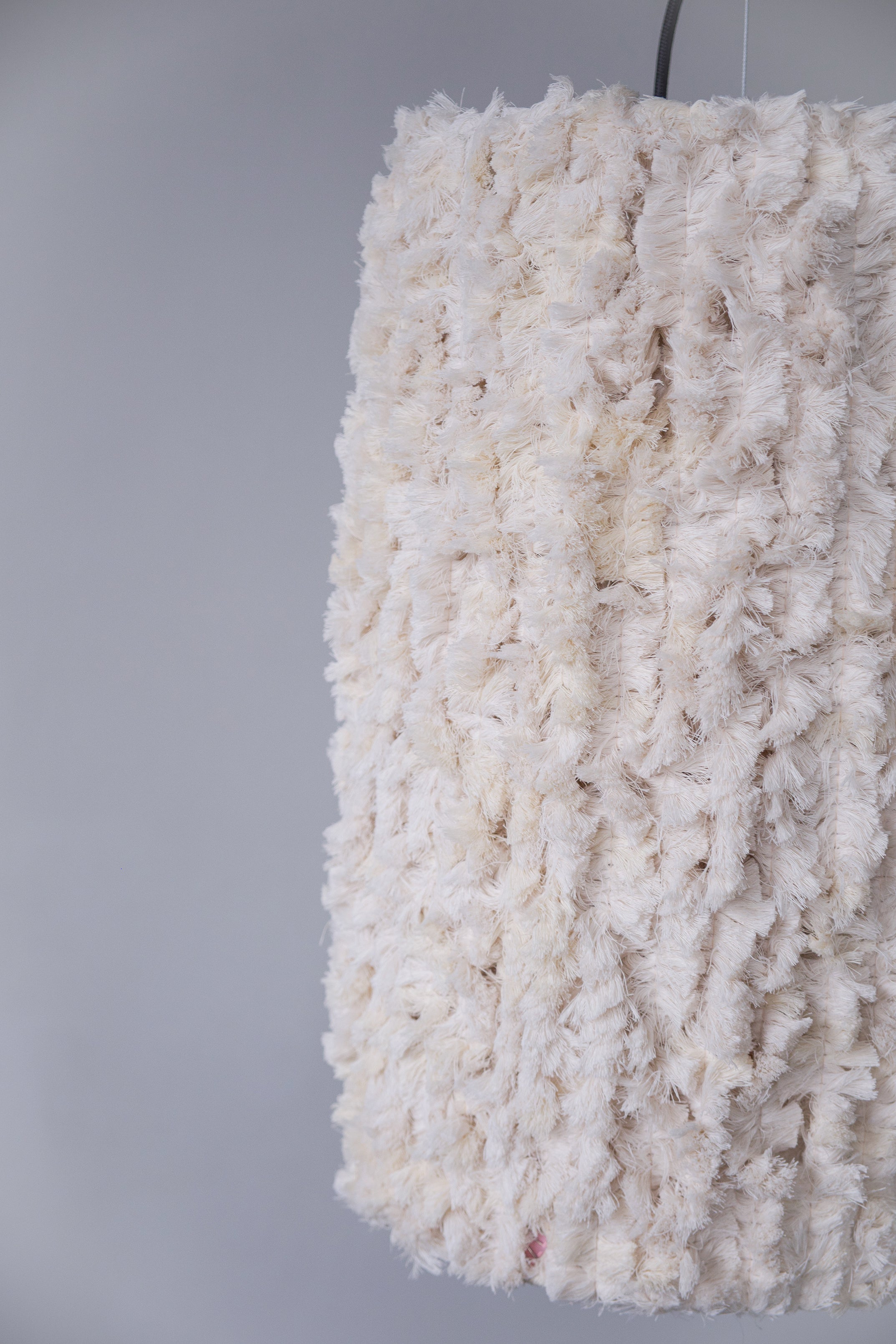
Organic forms, textile shades, and mineral surfaces shape light gently. Shadows become part of the object’s expression.
Lighting objects contribute visually even when unlit.
Applying texture and shadow in real projects
Interior designers apply these principles in walls, ceilings, furniture, and lighting.
Even subtle texture changes significantly affect perception. Balanced shadow enhances comfort and visual calm.
This approach elevates both residential and hospitality interiors.
Lighting aligned with texture-driven interiors
Lighting for textured spaces must remain soft and directional.
Sculptural lighting crafted from tactile materials enhances depth without glare.
PletoStudio develops lighting solutions that support texture, shadow, and architectural balance.
Trade program for interior designers
For interior designers and architectural studios, PletoStudio offers an individual professional trade program supporting texture-driven interior projects.
The program includes designer pricing, customization options, project quotations, and access to material samples upon request.
Final perspective
Texture and shadow shape the emotional quality of interior spaces.
For interior designers, mastering these elements allows creation of interiors that feel calm, layered, and timeless — without excess or noise.


