



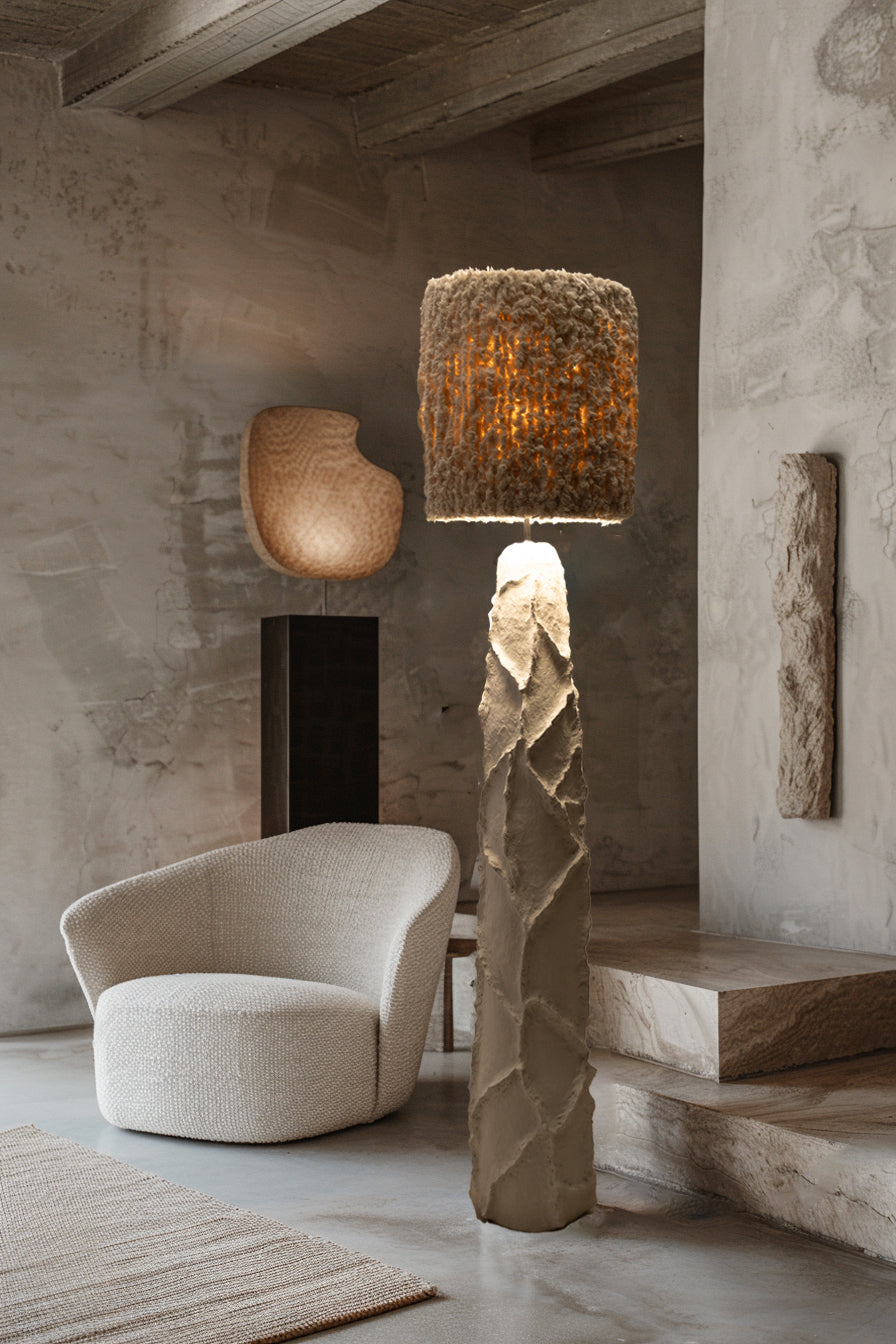
Calm interiors as a modern design priority
In contemporary interior design, calm has become one of the most desired qualities. Modern lifestyles are fast, saturated, and visually loud, which increases the demand for interiors that provide emotional relief.
A calm interior atmosphere supports well-being, focus, and recovery. Designers increasingly treat calm not as a style, but as an experience shaped by light, material, and proportion.
Why interior designers focus on calm atmosphere
Interior designers search for calm interior solutions when clients express fatigue, stress, or visual overload.
A calm interior does not mean empty or boring. It means balanced — where every element has purpose and nothing competes for attention.
Calm spaces allow people to slow down.
Light as the foundation of calm
Lighting is the most powerful tool in creating calm interiors.
Soft, indirect illumination reduces contrast and relaxes the eye. Warm color temperature supports comfort and safety.
Designers avoid harsh ceiling light in favor of layered and ambient lighting strategies.
The role of shadow and softness
Calm interiors embrace shadow.
Gentle gradients and partial darkness create depth and intimacy. Uniform brightness removes atmosphere and emotional nuance.
Shadow allows space to breathe.
Material choice and emotional comfort
Materials strongly influence psychological perception.
Natural surfaces such as wood, wool, linen, clay, and mineral plaster absorb light and soften acoustics. Matte finishes reduce glare and visual tension.
Tactile materials communicate warmth without decoration.
Color palette for calm interiors
Calm spaces rely on restrained color palettes.
Soft neutrals, warm greys, stone, sand, and earthy tones dominate. High-contrast combinations are avoided.
Color transitions remain subtle and continuous.
Furniture placement and spatial flow
A calm interior depends on rhythm and circulation.
Designers prioritize open pathways, breathing zones, and negative space. Furniture is placed to support movement rather than fill area.
Spatial clarity reduces subconscious stress.
Reducing visual noise
Calm interiors avoid excess detail.
Too many objects, finishes, or materials create distraction. Designers select fewer elements with stronger presence.
Restraint becomes the main design tool.
Lighting objects as emotional anchors
Sculptural lighting often acts as the emotional center of calm interiors.
Rather than bright illumination, these objects provide presence and warmth. Their form contributes visually even when unlit.
Lighting becomes part of atmosphere, not equipment.
Calm atmosphere in residential and hospitality interiors
Calm design principles are widely applied in private homes, boutique hotels, wellness spaces, and bedrooms.
These interiors prioritize rest, recovery, and emotional balance over visual drama.
Atmosphere becomes more important than impression.
Lighting aligned with calm interior philosophy
Calm interiors require lighting with softness, texture, and restraint.
Sculptural lighting made from natural materials enhances warmth and depth without visual noise.
PletoStudio develops lighting aligned with these principles, offering designers solutions that support emotional comfort and spatial harmony.
Trade program for interior designers
For interior designers and architectural studios, PletoStudio offers an individual professional trade program supporting atmosphere-driven interior projects.
The program includes designer pricing, customization options, project quotations, and access to material samples upon request.
Final perspective
A calm interior atmosphere is created through intention rather than decoration.
For interior designers, calm emerges from balance — between light and shadow, material and space, form and silence.


