



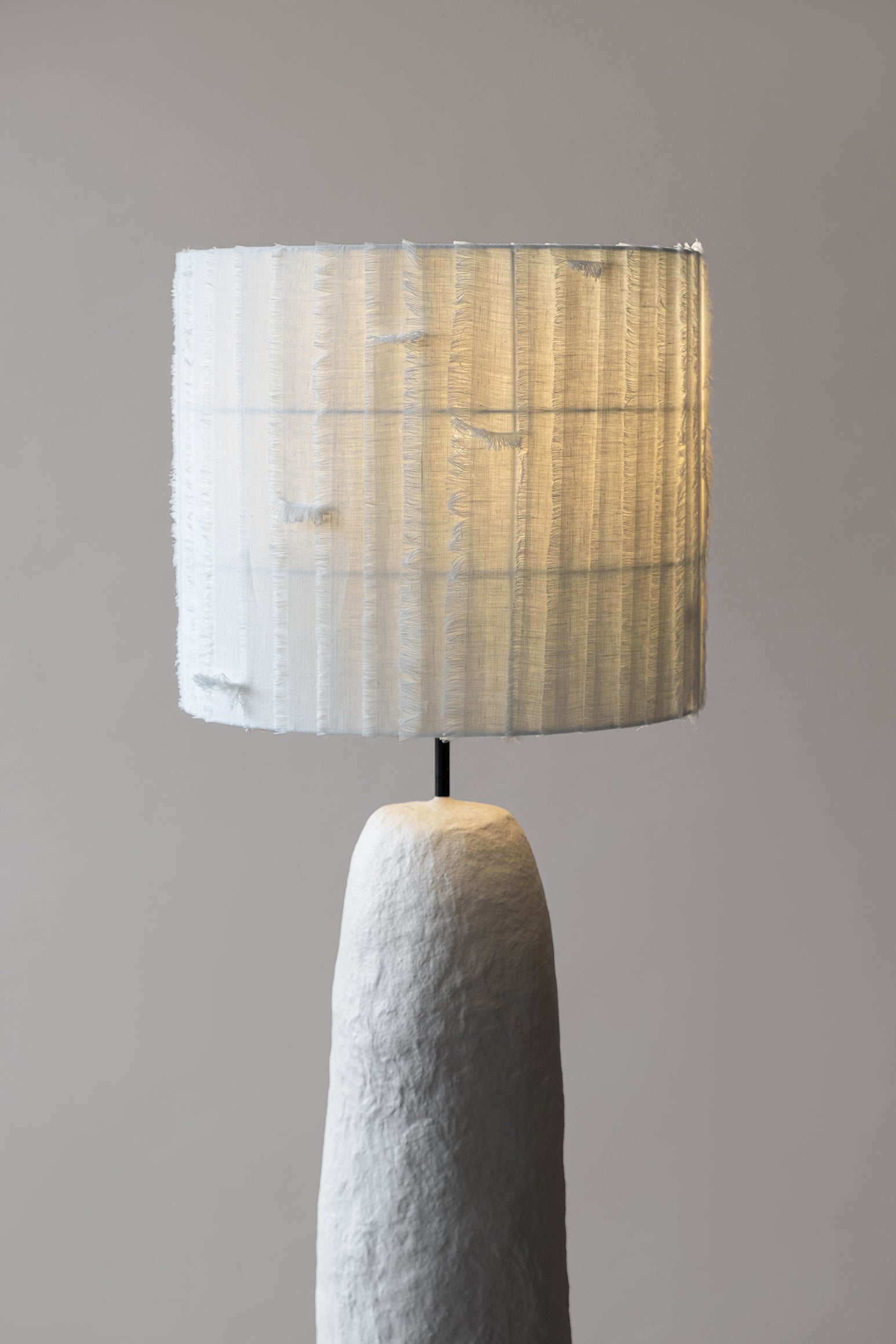
For most of the 20th century, interior design was guided by one rule: objects exist to serve a purpose. A lamp gives light. A table holds items. A chair supports the body. But the 21st-century home is no longer a place built around utility — it is a place built around emotional identity.
Today, the question is not “What does this object do?”
The question is “What does this object make me feel?”
That shift is transforming the way American homeowners choose furniture and lighting. Decorative items are no longer enough. People want emotional anchors — objects with soul, weight, story, texture, and intentionality.
This is where expressional objects enter the interior landscape. These are not products, but presences. They are designed to communicate rather than decorate. They bring tension, calm, contrast, mystery, poetry, memory.
A hand-formed sculptural lamp can add a sense of stillness.
A stone-like coffee table can ground a room with quiet gravity.
A textured mirror can add softness and human tactility to a hard space.
These objects do something deeper than function — they speak.
Why People Are Choosing Emotional Design Over Perfect Design
The rise of emotional interiors is not a trend — it is a cultural reaction.
Homes are becoming more personal than public.
People are spending more time in private spaces than ever.
Digital life is accelerating, so physical space must slow us down.
Mass-produced furniture feels empty because it has no authorship.
Owning fewer things with more meaning is replacing “more but cheaper.”
This is why sculptural floor lamps, organic handmade tables, and tactile materials are being chosen instead of glossy, anonymous surfaces. They give a room emotional temperature.
What Makes an Object Expressional
It doesn’t need a story printed on a tag.
It doesn’t need loud colors or ornament.
What it needs is presence — the ability to alter how a space feels even when no one touches it.
There are five core qualities that make an object emotionally resonant:
It carries visible traces of the hand, not machine perfection
It invites touch instead of rejecting it
It contains natural asymmetry or tension
It feels unique, not repeatable
It speaks without needing explanation
These qualities turn a lamp into a sculpture, a table into a landscape, a mirror into a tactile frame of atmosphere.
The Emotional Value Is the New Luxury Value
In the U.S. luxury market, people no longer buy expensive furniture for status — they buy pieces that create a feeling no other object can replace.
A mass-produced lamp loses emotional value the moment a newer version is released.
A handmade sculptural lamp gains emotional value the longer it lives with the owner.
This explains why collectible furniture, limited-edition lighting, and artisanal tables are now displayed in gallery homes, not catalog homes. Their value is not visual trend, but emotional permanence.
Where Expressional Objects Are Appearing Today
Not just in architecture magazines.
Not just in high-end design fairs.
They are entering:
curated homes in Los Angeles and Austin
Brooklyn lofts designed by art-driven studios
collector apartments in Miami and Manhattan
Airbnb luxury rentals that feel like miniature galleries
restaurants and hotels using sculptural lighting instead of chandeliers
The spaces that feel unforgettable are not “well decorated.”
They are emotionally choreographed.
From Ownership to Relationship
The future of interior design will not be built on the objects we own, but on the relationships we create with them. When an object becomes a quiet companion — not a piece of furniture — it stays. It becomes part of the memory of the home.
And this is why expressional objects matter:
They slow the eye.
They deepen the room.
They teach us to feel again inside our own space.
Utility is no longer enough.
Emotion is the new function.


