



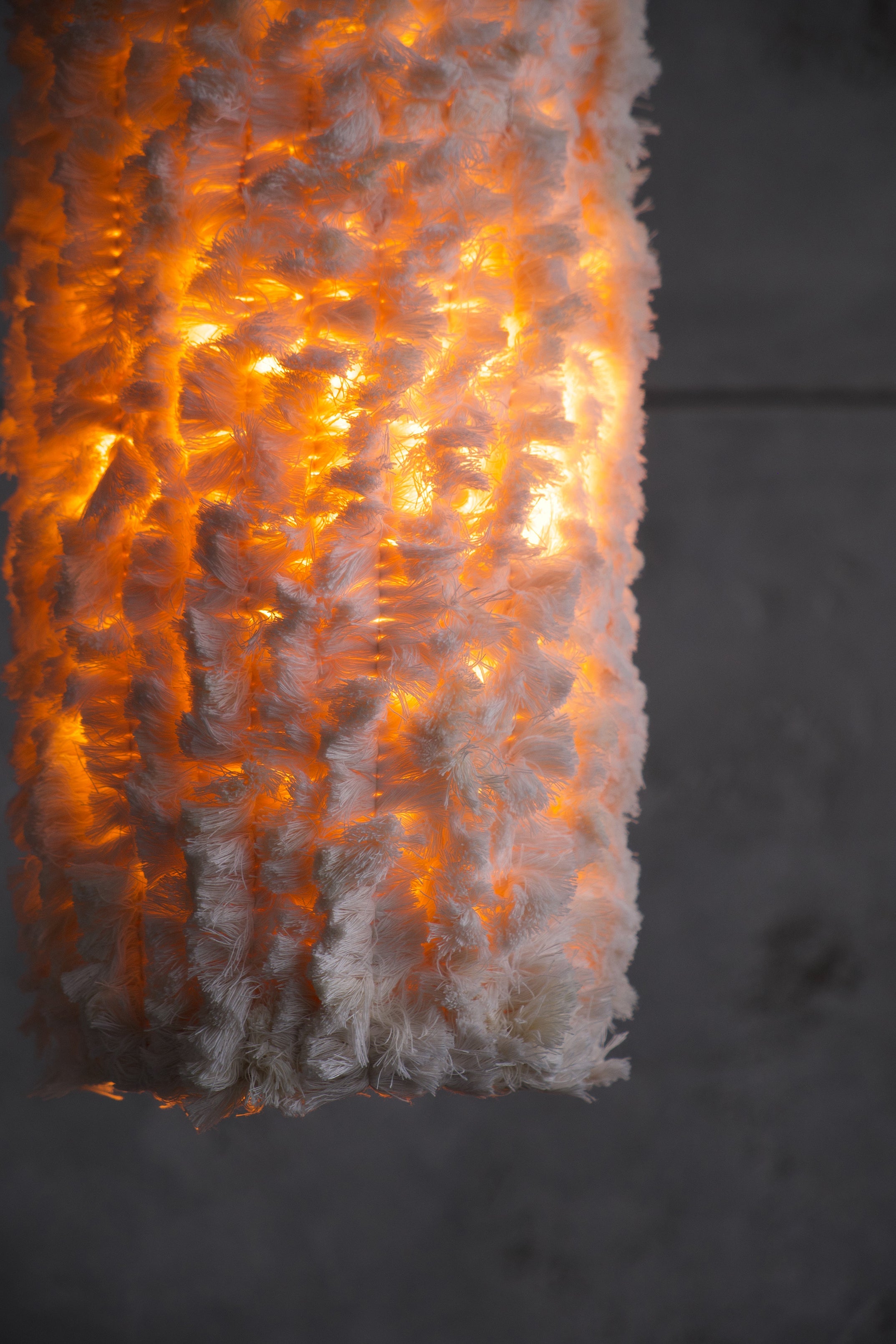
In an era dominated by speed, perfection, and constant visual stimulation, wabi-sabi interior design offers a radically different perspective. Rooted in Japanese philosophy, wabi-sabi embraces imperfection, impermanence, and authenticity — values that resonate deeply within contemporary interiors seeking calm and meaning.
Wabi-sabi is not a decorative style but a way of seeing space. It values materials that age, surfaces that reveal process, and forms shaped by the hand rather than machines. In contrast to polished minimalism, wabi-sabi interiors feel grounded, quiet, and emotionally resonant.
At the heart of wabi-sabi design lies material honesty. Clay, plaster, wood, stone, natural textiles, and mineral-based finishes are central elements. Cracks, irregular textures, tonal variations, and subtle asymmetry are not flaws — they are essential expressions of time and craftsmanship. These characteristics bring depth and presence to a space.
In contemporary interior design, wabi-sabi often overlaps with organic modernism and collectible design. Sculptural furniture and lighting objects play a crucial role, acting as anchors of stillness within an interior. A handmade lamp with a tactile surface or an irregular silhouette can transform a room into a contemplative environment rather than a purely functional one.
This aesthetic has gained increasing recognition at international design fairs and curated exhibitions, including Maison&Objet and collectible-focused showcases, where designers emphasize process-driven creation over industrial perfection. The growing interest in wabi-sabi reflects a broader cultural movement toward slow living and conscious consumption.
Wabi-sabi interiors are typically composed with restraint. Fewer objects, more space. Each piece is selected for its emotional weight rather than decorative appeal. Light is soft and diffused, enhancing textures and shadows rather than flattening them. The result is an atmosphere of quiet balance and introspection.
For contemporary American interiors, particularly in architectural homes and gallery-style spaces, wabi-sabi offers an antidote to excess. It invites inhabitants to slow down, to notice subtle details, and to form deeper relationships with the objects that surround them.
Ultimately, wabi-sabi reminds us that beauty is not found in perfection, but in presence. In interiors shaped by this philosophy, design becomes less about display and more about experience — spaces that feel lived in, grounded, and timeless.


