



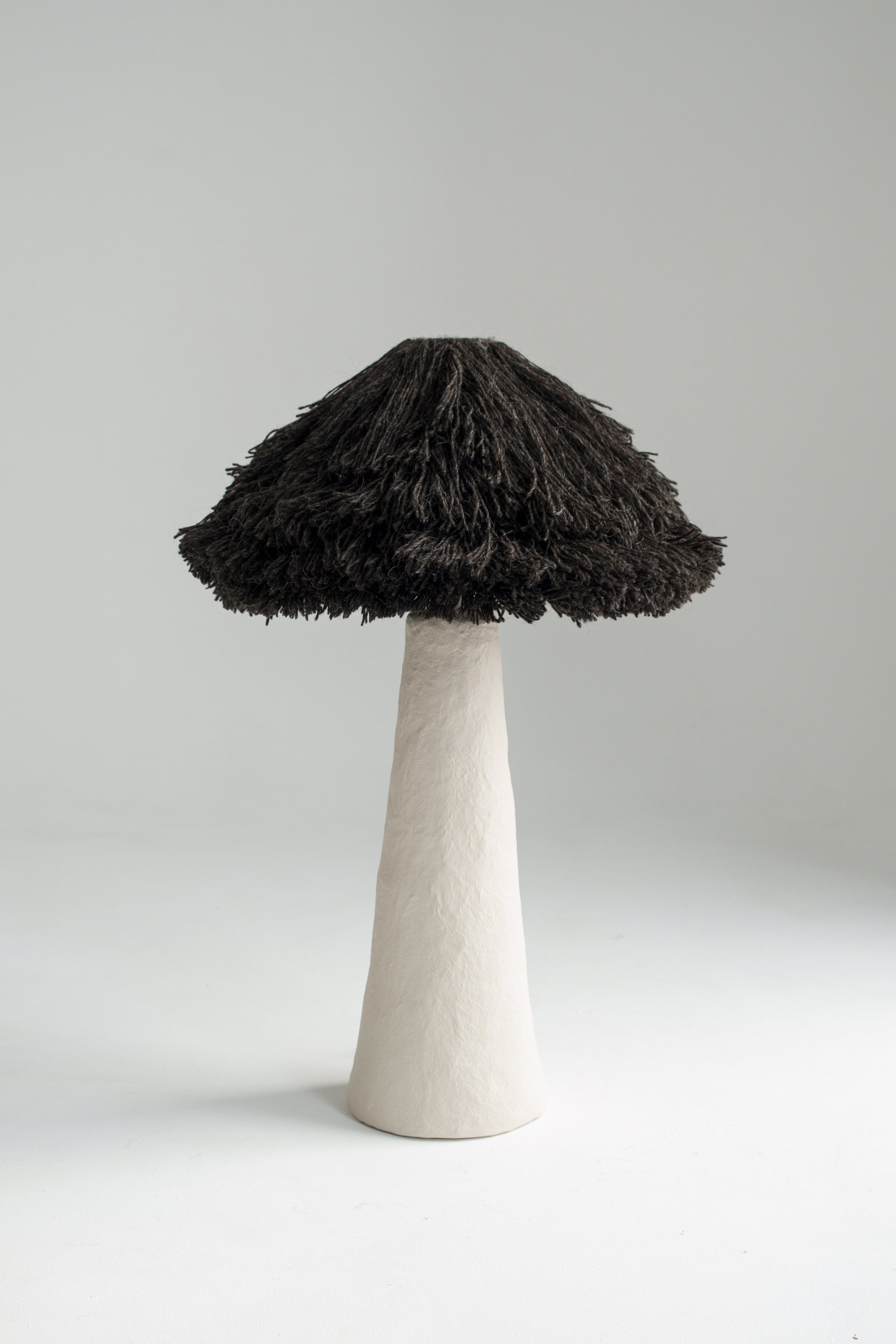
In contemporary interior design, one of the most enduring and influential movements is organic modernism. Rooted in the balance between nature and structure, this style bridges modernist clarity with the warmth, tactility, and authenticity of natural materials.
Organic modernism emerged as a response to sterile minimalism and overly polished interiors. While modern design has long valued clean lines and functional forms, organic modernism softens these principles through irregular shapes, textured surfaces, and materials that feel grounded and alive.
At its core, organic modernism prioritizes natural materials. Clay-based composites, stone, wood, natural fibers, linen, wool, and mineral finishes are essential elements. These materials are not hidden or overly refined — instead, their imperfections are highlighted. Visible texture, tonal variation, and handcrafted traces become integral to the design language.
This approach has gained significant visibility at international design platforms such as Maison&Objet and contemporary collectible design exhibitions, where material-driven objects dominate curated spaces. Designers increasingly favor sculptural furniture and lighting that feel shaped rather than manufactured — objects that carry a sense of origin and process.
In organic modernist interiors, form is intuitive rather than rigid. Rounded silhouettes, softened edges, and asymmetrical volumes replace strict geometry. Lighting plays a key role, with sculptural lamps acting as both functional elements and spatial anchors. Light is diffused gently, enhancing material depth rather than overpowering it.
From a lifestyle perspective, organic modernism aligns closely with the principles of slow living and conscious design. Interiors are composed with fewer objects, each chosen intentionally. The focus shifts from visual excess to emotional comfort — spaces designed to calm, restore, and ground.
This style resonates strongly in contemporary American interiors, particularly in California, New York, and architectural homes that blend indoor and outdoor living. Organic modernism offers timelessness without rigidity, elegance without coldness, and modernity without detachment.
As interior design continues to evolve, organic modernism stands out not as a trend, but as a philosophy. One that honors material honesty, thoughtful craftsmanship, and the quiet presence of nature within contemporary spaces.


