



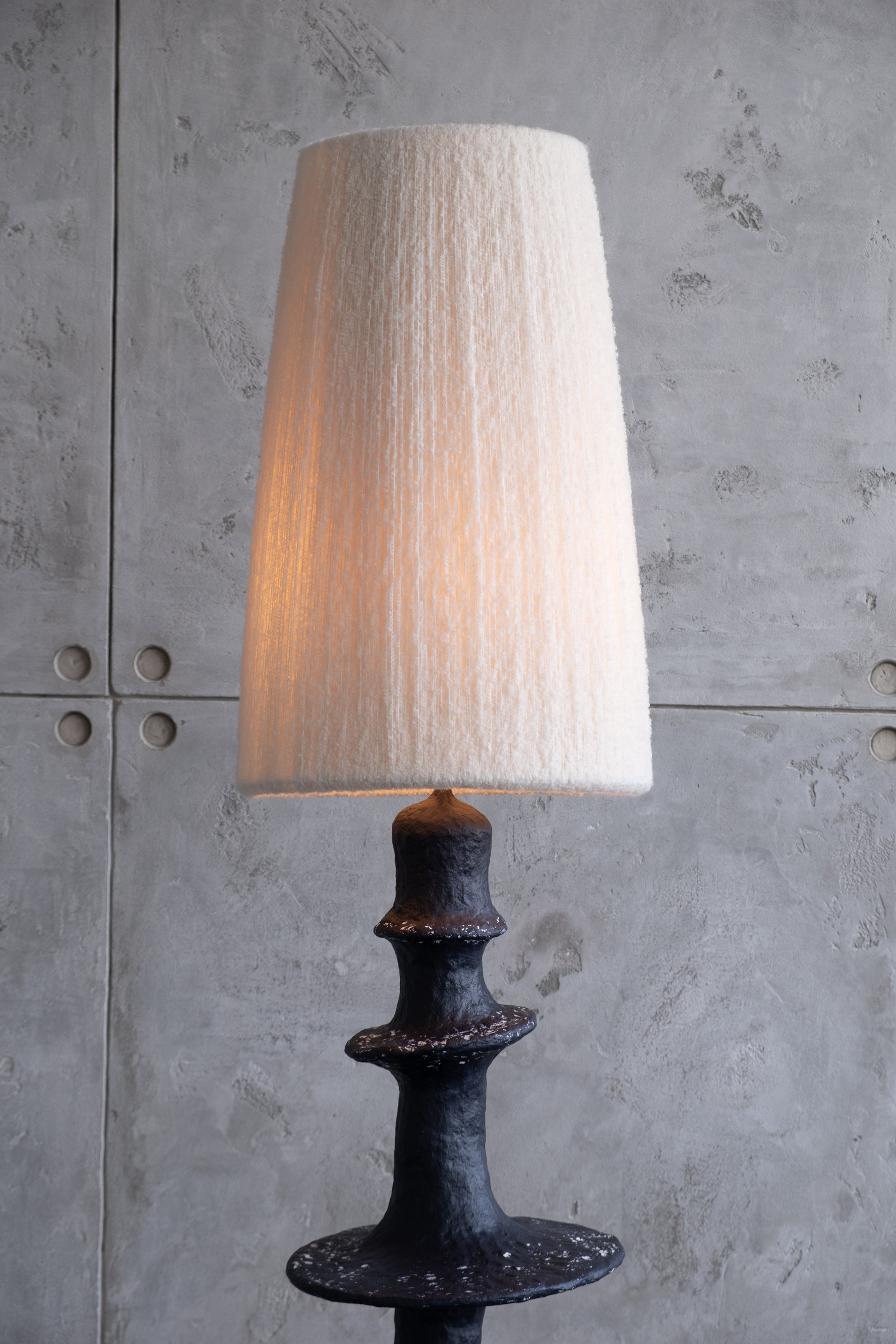
In contemporary interior design, a growing number of private homes resemble curated exhibition spaces rather than traditionally decorated interiors. This approach, known as gallery-style living, reflects a shift toward interiors shaped by collectors’ mindsets — where objects are selected for meaning, authorship, and presence rather than decoration.
Gallery-style interiors are not about replicating museums. Instead, they borrow curatorial principles: space, restraint, hierarchy, and intentional placement. Furniture and lighting are treated as standalone objects, often given room to breathe, allowing form, material, and texture to be fully experienced.
This way of living has gained momentum alongside the rise of collectible design and art-focused interiors. Influenced by international platforms such as Design Miami and contemporary collectible exhibitions, designers increasingly blur the line between residential space and curated environment.
In gallery-style living, fewer objects carry more weight. A sculptural floor lamp, a material-driven table, or a tactile lighting object can define an entire room. Walls are often left uncluttered, color palettes remain restrained, and negative space becomes an active design element rather than an absence.
Material choice plays a crucial role. Natural composites, clay-based surfaces, wood, stone, textile fibers, and mineral finishes introduce depth and authenticity. These materials respond subtly to light, casting shadows and revealing texture — qualities that are essential in gallery-style interiors where objects are meant to be observed.
Lighting is particularly important in collector homes. Sculptural lighting is used not only for illumination but for emphasis — highlighting form, surface, and spatial rhythm. Soft, diffused light enhances calm and allows objects to coexist without visual competition.
For American collectors and design-forward homeowners, gallery-style living represents a departure from trend-driven interiors. Instead of seasonal updates, spaces evolve slowly as collections grow. Objects are chosen with longevity in mind, often produced in limited editions or as one-of-a-kind works.
Ultimately, gallery-style living is about intention. It transforms the home into a personal exhibition — a space that reflects values, curiosity, and an appreciation for craftsmanship. Interiors become quiet, thoughtful, and deeply personal, shaped by objects that hold both functional and cultural significance.


