



Sustainability in interior design has evolved far beyond trend status. In today’s high-end interiors, eco materials are no longer a compromise — they are a marker of quality, intention, and contemporary luxury.
Designers, architects, and collectors increasingly associate luxury not with excess, but with responsibility. The origin of materials, the integrity of production, and the longevity of objects have become central considerations in contemporary interior design.
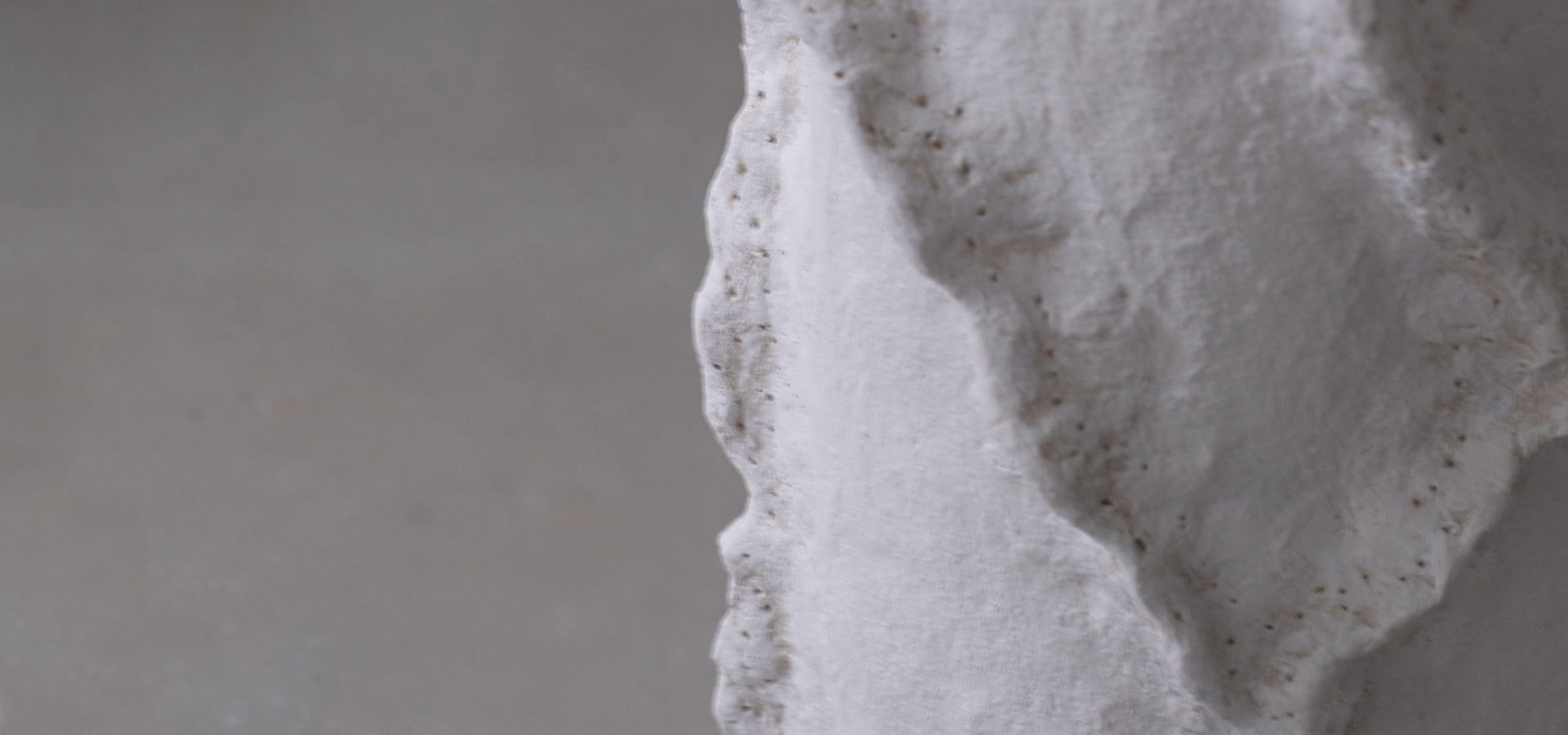
High-end interiors now favor natural and sustainable materials that offer both environmental awareness and sensory richness. Clay-based composites, mineral plasters, natural fibers, responsibly sourced wood, and handcrafted surfaces dominate curated spaces. These materials bring warmth, depth, and authenticity — qualities often missing in synthetic or mass-produced alternatives.
This shift is clearly visible at international design fairs such as Maison&Objet and contemporary collectible design exhibitions, where sustainability is embedded into material innovation rather than treated as a marketing add-on. Designers explore bio-based composites, low-impact binders, and material experimentation rooted in craft and research.
Eco materials play a crucial role in shaping atmosphere. Their textures interact softly with light, creating calm and balanced interiors. Rather than reflective or artificial finishes, sustainable materials absorb light, highlight imperfections, and age gracefully over time. This aging process — patina, subtle wear, tonal change — adds emotional and aesthetic value.
In high-end residential interiors, eco materials support the philosophy of slow design. Objects are chosen for longevity, not rapid replacement. Sculptural furniture and lighting crafted from sustainable materials often exist in limited editions or as one-of-a-kind pieces, reinforcing their collectible nature.
For contemporary American interiors, particularly among architects and collectors, sustainability is now inseparable from sophistication. Eco-conscious design is perceived not as minimal or rustic, but as refined, intelligent, and forward-thinking.
Ultimately, sustainability in high-end design is about alignment — aligning aesthetics with values, craftsmanship with responsibility, and beauty with longevity. Eco materials allow interiors to feel both contemporary and timeless, offering a new definition of luxury rooted in awareness and substance.


