



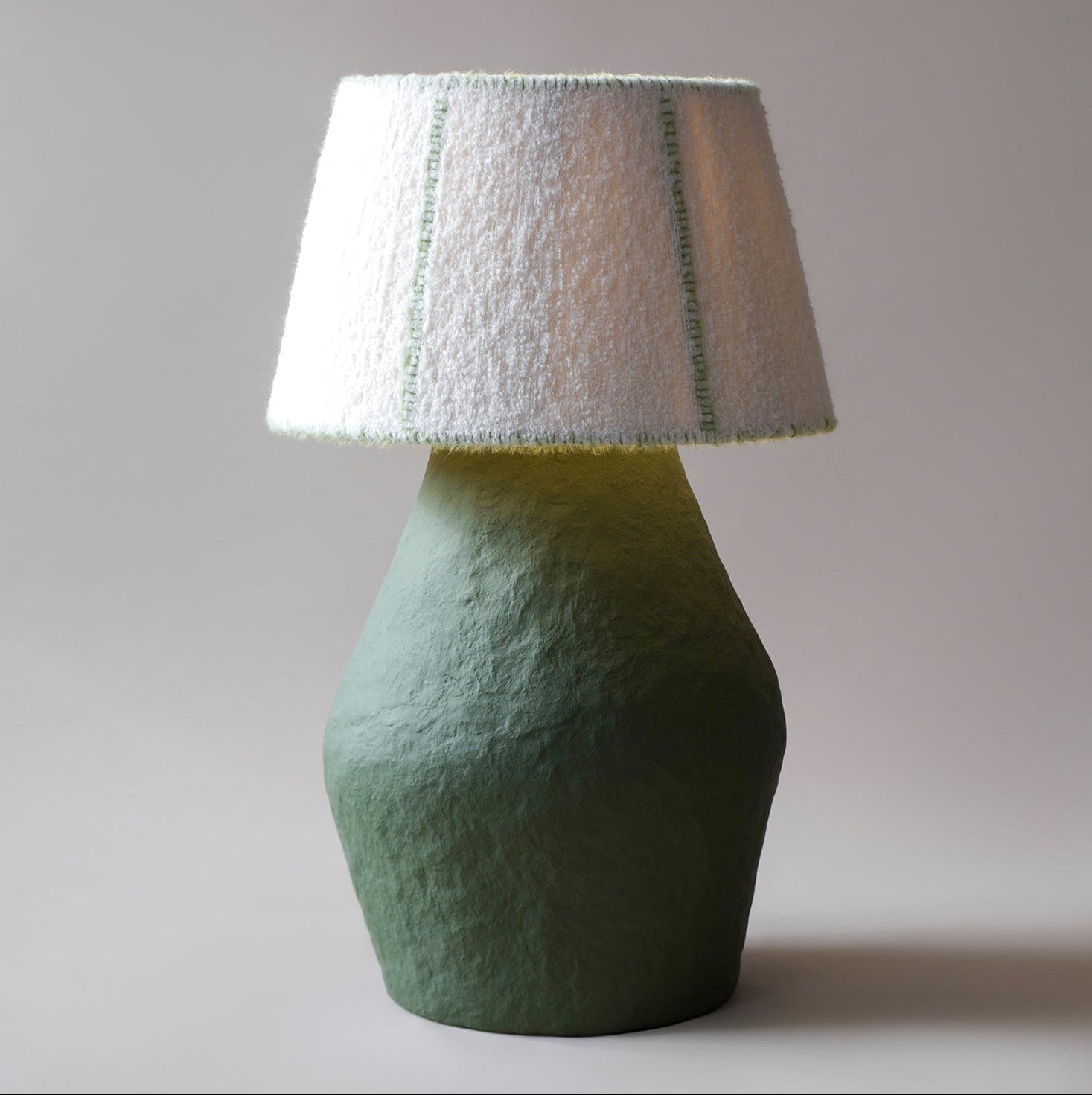
As contemporary interiors become increasingly minimal and curated, the role of furniture and lighting has evolved beyond function. Today, sculptural furniture and lighting are used not only to fill a space, but to shape its emotional atmosphere.
Modern interior design is no longer focused solely on visual aesthetics. Instead, designers consider how a space makes people feel. Emotional balance — a sense of calm, grounding, and harmony — has become a defining goal. Sculptural objects play a central role in achieving this balance.
Unlike conventional furniture, sculptural pieces are designed as forms first. Their presence is intentional and often symbolic. Soft volumes, rounded silhouettes, and organic proportions create a sense of stability and visual rest. These forms slow the eye and anchor the space, preventing interiors from feeling fragmented or overstimulated.
In contemporary homes, sculptural furniture and lighting often act as emotional focal points. A single floor lamp with a strong material presence or a sculptural table can establish rhythm and coherence throughout an interior. Rather than adding multiple decorative elements, designers increasingly rely on one meaningful object to define the character of a room.
Material choice is essential in shaping emotional response. Natural composites, clay-based surfaces, wood, stone, wool, and mineral finishes introduce warmth and tactility. These materials absorb and soften light, reducing visual tension and creating environments that feel grounded and human.
Lighting, in particular, has a profound emotional impact. Sculptural lighting diffuses light gently, creating shadows and gradients rather than harsh contrast. This layered approach supports relaxation and introspection, aligning with contemporary preferences for calm, restorative living spaces.
This design philosophy is visible across international platforms such as Maison&Objet and collectible design exhibitions, where emotionally driven objects replace trend-based decor. Interiors are curated with intention, emphasizing fewer pieces of higher significance rather than abundance.
In American contemporary interiors — from gallery-style apartments to architect-designed homes — sculptural furniture and lighting reflect a desire for spaces that support well-being. These interiors feel composed rather than styled, personal rather than performative.
Ultimately, sculptural design offers more than visual impact. It creates emotional structure. By choosing objects with presence, weight, and material honesty, interiors become places of balance — spaces that feel calm, cohesive, and deeply lived


