



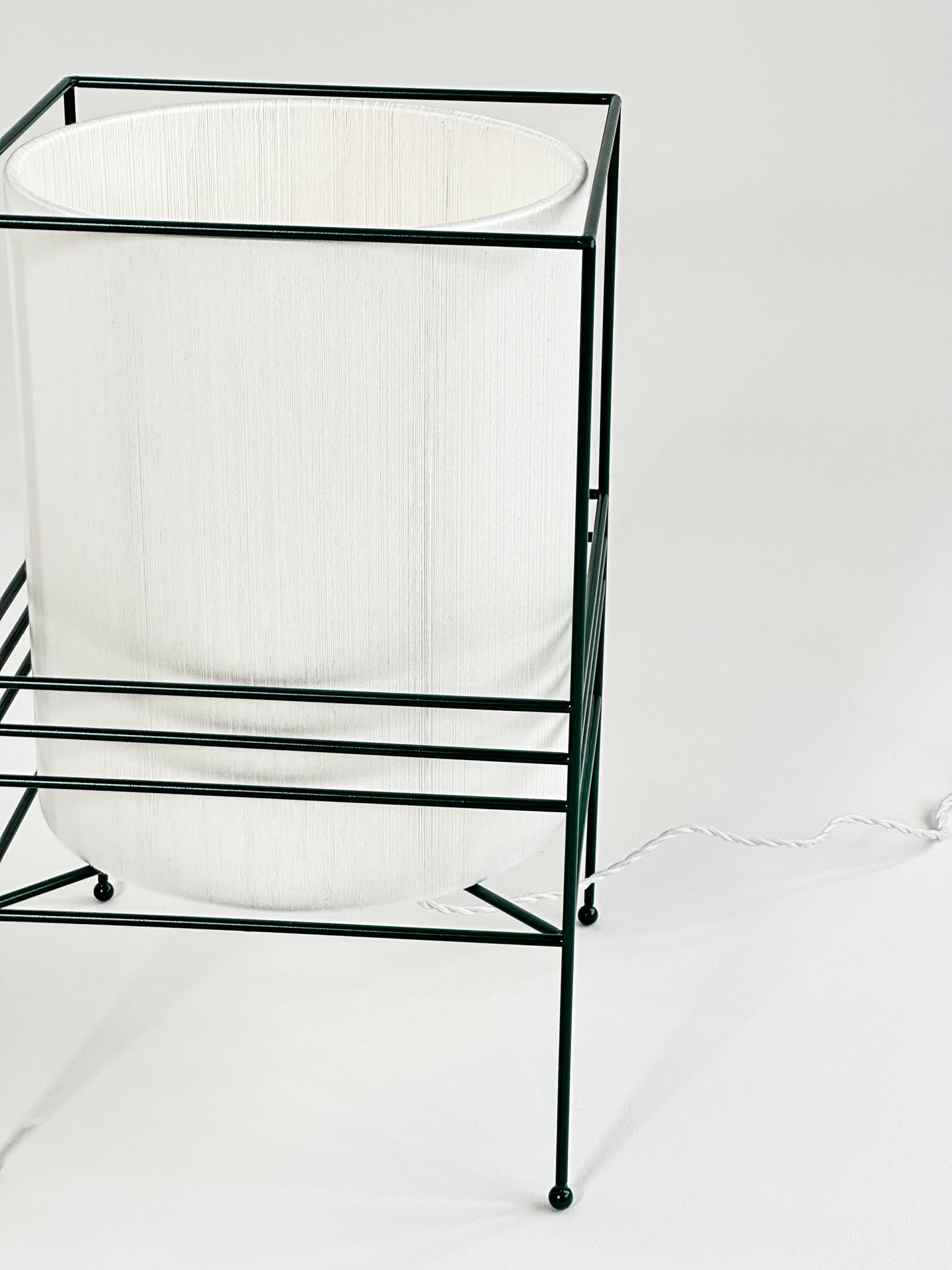
For decades, interior design was driven by “completion.”
A full room meant success.
A furnished room meant value.
A decorated room meant taste.
But in 2025, the highest form of sophistication is not adding more — but removing everything that doesn’t deserve to stay.
Luxury has shifted from abundance → to presence
From visual density → to spatial clarity
From “look how much I have” → to “look how intentionally this sits in silence”
Empty space is not absence.
It is respect for the object.
✅ Why Empty Space Became a Status Symbol
Reason 1 — Only people with control over their environment can “afford” space.
Crowded interiors = survival.
Curated interiors = authorship.
Reason 2 — The visual world is overloaded.
We don’t need more stimulation — we crave focus, quiet, rest.
Reason 3 — Objects now carry emotional weight, not just function.
A sculptural floor lamp in its own zone is not decor — it becomes a character.
Reason 4 — Architects use space as a material, not a background.
Space is now treated like stone, wood, concrete, or light: something to shape, not accidentally leave.
✅ How Negative Space Works in Collectible Interiors
It does 3 jobs:
Frames the object
A sculptural lamp beside an empty wall reads like an artwork.
Creates visual tempo
Space → object → space → object.
The room breathes rather than competes with itself.
Changes psychology
Silence in a room lowers nervous system load.
It creates emotional gravity — the opposite of visual noise.
A quiet room is not empty — it’s intentional.
✅ Which Buyers Care Most About Spatial Silence
architects who design “gallery homes”
collectors who treat furniture like sculpture
wealthy buyers tired of maximalist luxury
designers building emotional atmospheres instead of styled rooms
clients seeking “mental spaciousness” not material clutter
The new client doesn’t say:
“I want more furniture.”
They say:
“I want the room to feel like a breath.”
✅ Why This Shift Benefits Studio-Made Objects
Because fewer objects means stronger objects.
When a client buys only 4–6 pieces instead of 25, they choose:
sculptural lamps instead of decorative fixtures
monolithic or biomaterial tables instead of mass catalog coffee tables
tactile mirrors instead of wall decor
charred wood forms instead of manufactured side tables
The less they buy, the more they care about what they buy.
Space kills generic decor.
Space elevates collectible objects.
✅ What This Means for Interior Styling Language
OLD LANGUAGE:
“Here are 12 pieces to complete the living room.”
NEW LANGUAGE:
“Here is 1 object that anchors the room — and everything else must respect it.”
Interior design is no longer composition.
It is curation.
And curation requires silence.


