



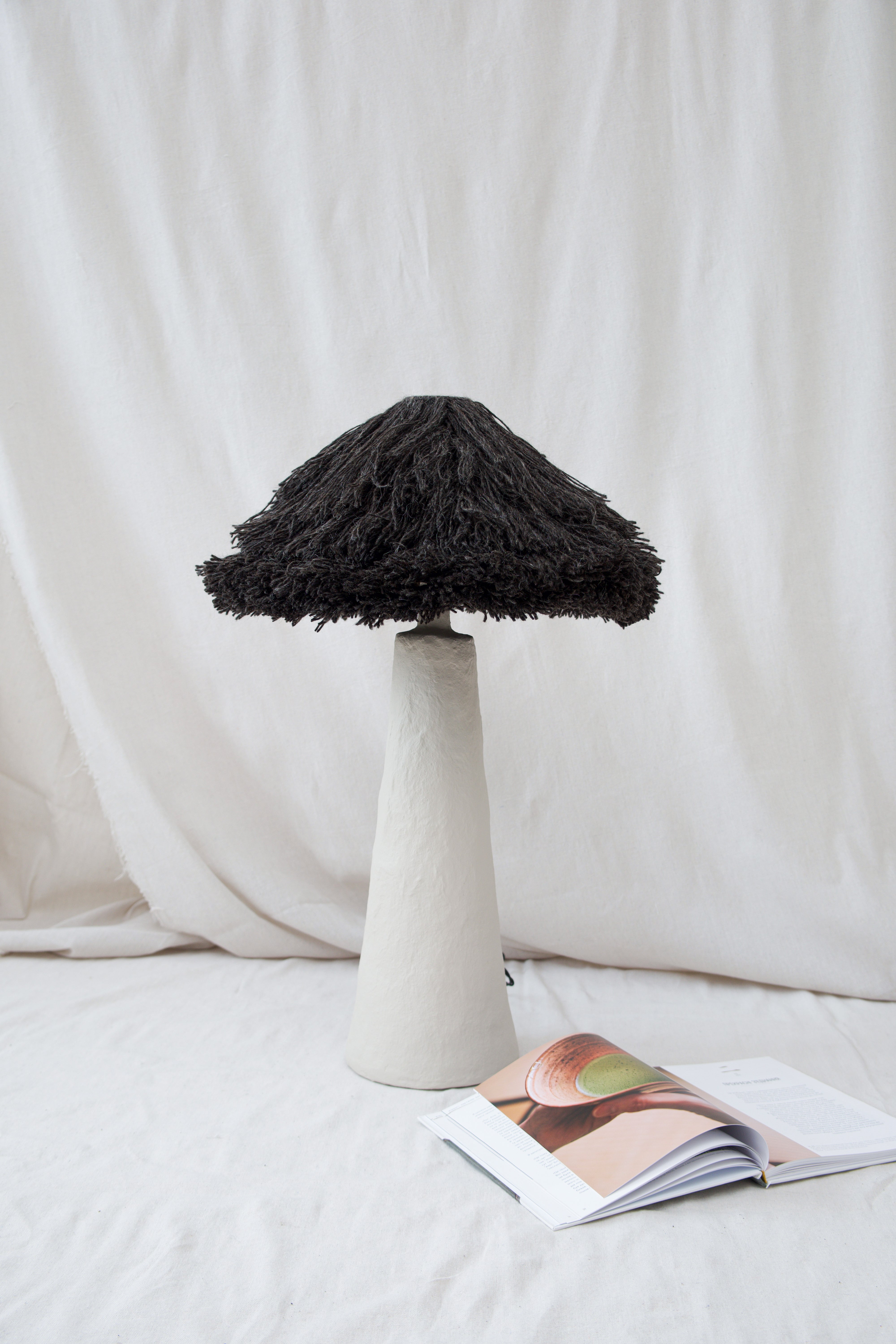
Japandi as a balance between Japan and Scandinavia
Japandi interior design is a style that merges Japanese minimalism with Scandinavian warmth. It combines the calm philosophy of Japanese interiors with the functionality and comfort of Nordic design.
This hybrid approach has become one of the most influential interior movements of recent years, especially among designers seeking balance, simplicity, and emotional comfort.
Japandi interiors are quiet, intentional, and timeless rather than trend-driven.
Why interior designers search for Japandi interior design
Interior designers explore Japandi design when clients request calm, warm, and clutter-free interiors.
The style appeals to modern lifestyles focused on well-being, sustainability, and spatial clarity. Japandi offers a solution for spaces that feel minimal without becoming cold or impersonal.
Its flexibility allows designers to adapt it across residential, hospitality, and wellness interiors.
Core principles of Japandi interiors
Japandi design emphasizes simplicity, functionality, and natural harmony.
Spaces are built around balance rather than symmetry. Furniture is low-profile and grounded. Every object serves a clear purpose.
Visual noise is reduced to allow materials, light, and proportion to define the atmosphere.
Natural materials as foundation
Material authenticity lies at the heart of Japandi interiors.
Designers work with wood, linen, wool, clay, stone, paper-based surfaces, and mineral textures. These materials introduce warmth and tactile depth.
Natural imperfections are welcomed as part of the aesthetic.
Color palette and visual calm
Japandi interiors rely on soft, muted tones.
Warm neutrals, sand, stone, taupe, warm grey, and deep earthy accents dominate. Color is used sparingly to maintain visual rest.
This restrained palette enhances spatial harmony and longevity.
Lighting philosophy in Japandi design
Lighting is fundamental within Japandi interiors.
Soft diffusion, indirect light, and warm temperatures create calm atmosphere. Light sources are often hidden or sculptural, never harsh or dominant.
Shadows are treated as part of the design language rather than imperfections.
Furniture and form
Japandi furniture focuses on low silhouettes and organic geometry.
Rounded edges, simple joinery, and natural finishes define form. Objects feel grounded and stable rather than expressive.
This reinforces the connection between interior and nature.
Japandi in contemporary living spaces
Japandi interiors are widely applied in modern apartments, private houses, boutique hotels, and wellness environments.
The style supports slow living and emotional comfort. It encourages spaces designed for rest, reflection, and clarity.
Its adaptability makes Japandi highly relevant in global interior design.
Integrating sculptural lighting into Japandi interiors
Sculptural lighting integrates naturally into Japandi spaces when form remains restrained.
Organic shapes, textile shades, and mineral surfaces complement the calm aesthetic. Lighting objects become quiet accents rather than dominant features.
This approach enhances atmosphere without disrupting balance.
Lighting aligned with Japandi philosophy
Japandi lighting emphasizes softness, texture, and presence.
Sculptural lighting created from natural materials supports the emotional quality of the space.
PletoStudio develops lighting objects aligned with Japandi principles, offering designers warm atmospheric solutions rooted in material honesty.
Trade program for interior designers
For interior designers and architectural studios, PletoStudio offers an individual professional trade program supporting Japandi-inspired interior projects.
The program includes designer pricing, project quotations, customization options, and access to material samples upon request. It supports residential, hospitality, and wellness interiors.
Final perspective
Japandi interior design represents a timeless approach built on balance, simplicity, and warmth.
For interior designers, it offers a framework for creating calm spaces shaped by light, texture, and thoughtful restraint.


