



There was a time when interiors followed a simple formula: fill the room, balance the colors, match the furniture set, add decor, complete the space.
But in 2025, high-end residential design is moving toward a different model — one that treats the home not as a finished environment, but as a curated exhibition space.
A gallery does not ask, “Does this object match the sofa?”
A gallery asks, “Does this object change the energy of the room?”
That is the new language of modern interiors — and it is transforming how designers, architects, and collectors approach the home.
Why Homes Are Shifting from Decorated to Curated
Three cultural changes are driving the movement:
People want emotional depth, not visual filler
The rise of collectible furniture makes objects meaningful, not replaceable
Private space has become a form of identity, not just comfort
A curated interior is not about more objects — it is about fewer objects with higher presence.
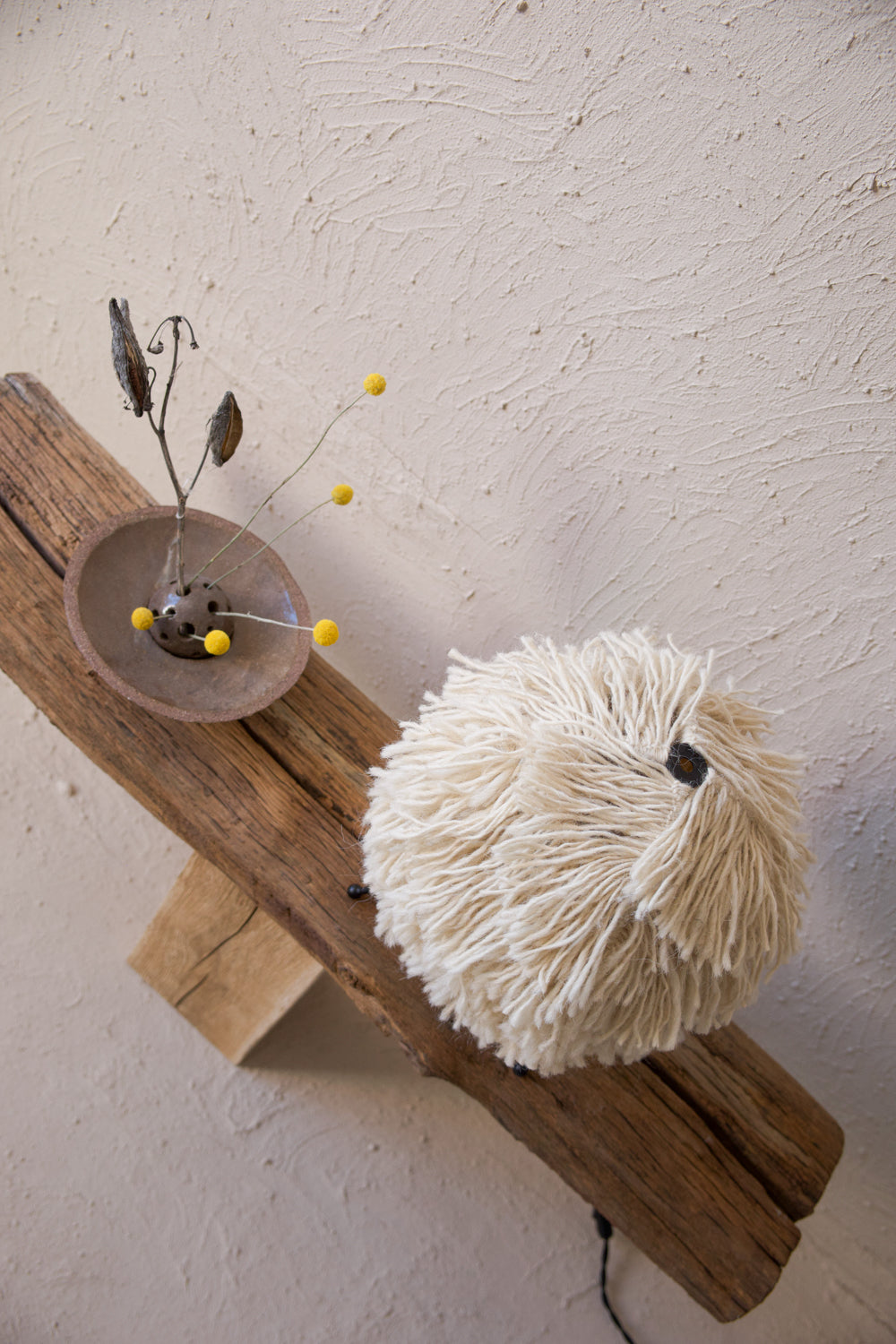
A single sculptural lamp can replace ten small decor items.
A hand-built coffee table can anchor a room more strongly than a designer sofa.
Texture and form have become more important than style and trend.
The Gallery Home vs. The Decorated Home
Decorated home:
based on balance, coziness, matching sets, seasonal updates
Gallery home:
based on authorship, contrast, silence, presence, emotional intention
Decorated home asks, “How do we fill the room?”
Gallery home asks, “What deserves to live here?”
The difference is not visual — it is philosophical.
How Curated Homes Are Designed Today
They do not begin with a moodboard of furniture.
They begin with one object of conviction — a sculptural floor lamp, a raw stone-like table, a textile-draped mirror, a charred wood base, a mineral form.
The interior builds around that object the way an exhibition builds around a central work.
Architects call this: focal object architecture.
It turns the object into anchor — not accessory.
Where the Movement Is Growing Fastest
Los Angeles architecture-led residences
Brooklyn clean-brutalist lofts
New York artist-owned apartments
Austin slow-living, earth-material homes
Miami collectible design penthouses
Mexico City studio-built concrete homes
Scandinavian raw-material minimalism
Parisian gallery-like apartments with empty floor space and emotional light
The same design language appears everywhere:
stillness, scale, negative space, raw texture, expressive lighting, sculptural placement.
The Role of Negative Space
Traditional interior design taught us to “fill the room.”
Gallery-style design teaches the opposite:
Leave room for the object to breathe
Leave room for your eye to rest
Leave room for the object to feel intentional
Silence in a space is not emptiness — it is respect for the object.
Museum curators know this.
Now, interior designers do too.
The Home as Living Archive
When a home becomes a curated interior, the relationship to objects changes.
You do not “update the collection” every season.
You build it over years.
You do not buy 20 decor accessories.
You buy 1 sculptural object that becomes part of your life story.
You do not ask, “Does this match my room?”
You ask, “Does this deserve to stay with me for the next decade?”
The home becomes not a display — but an archive of meaning.
The Future of Interior Design Is Not Styling — It Is Curatorship
People are no longer looking for the “perfect room.”
They are looking for a room that feels authored, not assembled.
The shift is clear:
More presence, less decoration
More intention, less styling
More emotional gravity, less visual noise
More sculptural objects, fewer replaceable items
More gallery, less furniture showroom
We are not decorating homes.
We are narrating them.


