



Lighting selection as a design decision
Choosing lighting is one of the most critical stages of an interior project. For professional interior designers, lighting is not selected by appearance alone. It is evaluated through atmosphere, function, scale, and architectural context.
Lighting defines how space is experienced emotionally and physically. A well-chosen lighting concept can elevate an interior, while a poor one can undermine even the strongest architecture.
Why lighting choice begins early in the project
Interior designers select lighting long before installation.
Lighting influences ceiling heights, furniture placement, electrical planning, and spatial hierarchy. Designers who postpone lighting decisions often face limitations later in the process.
Early lighting planning ensures visual balance and technical clarity.
Understanding the purpose of each space
Designers begin lighting selection by defining how a space will be used.
Living areas require warmth and flexibility. Bedrooms prioritize calm and softness. Hospitality spaces demand atmosphere and identity.
Lighting choices differ depending on emotional intent, not only function.
Architectural context and proportions
Lighting must respond to architecture.
Ceiling height, wall depth, window orientation, and room scale all influence fixture selection. Large spaces require lighting with presence, while intimate interiors demand restraint.
Designers evaluate proportion before selecting form.
Layered lighting strategy
Professional designers rarely rely on a single light source.
They combine architectural lighting for structure, ambient lighting for comfort, and decorative lighting for expression. Each layer supports a different role within the space.
This approach creates adaptable interiors for different times of day.
Material interaction with light
Materials strongly affect how light behaves.
Textiles absorb light, stone diffuses it, and matte surfaces soften reflection. Designers test lighting in relation to material palettes to achieve harmony.
Lighting is selected together with finishes, not separately.
Sculptural lighting as spatial anchor
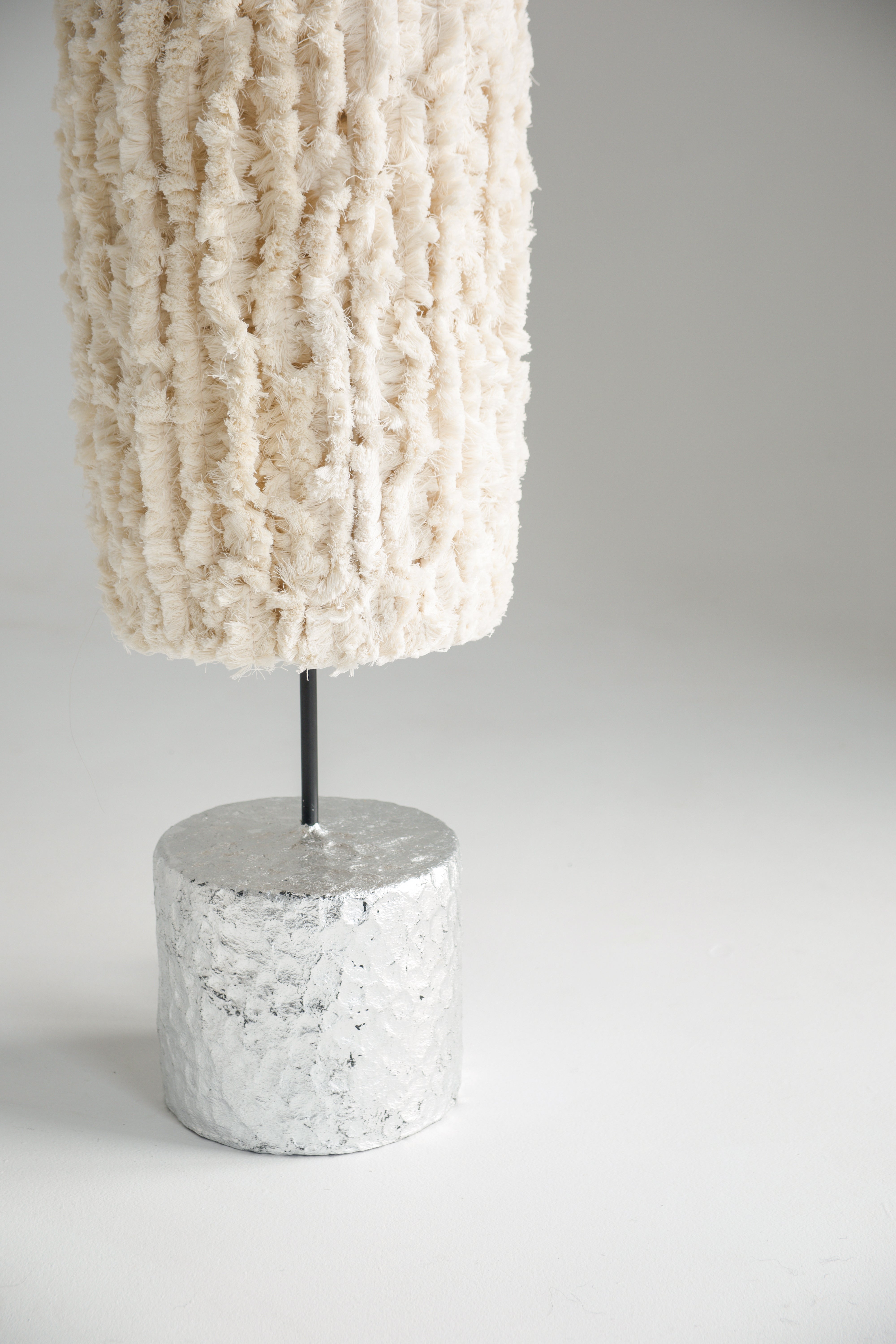
In many projects, designers introduce one sculptural lighting piece as a focal point.
Floor lamps and statement luminaires help define zones and add identity. These objects often replace decorative accessories.
Sculptural lighting provides atmosphere even when unlit.
Technical quality and longevity
Professional designers evaluate lighting beyond aesthetics.
They consider light temperature, glare control, replaceable components, and lifespan. Long-term maintenance is as important as visual impact.
Reliable lighting supports sustainable interior design.
Custom and limited-edition lighting
Designers increasingly collaborate with lighting studios for custom solutions.
Custom or limited-edition lighting allows better integration with architecture and concept. It ensures originality and project-specific identity.
This approach is common in high-end residential and hospitality interiors.
Lighting aligned with contemporary design values
Modern interiors favor clarity, warmth, and authenticity.
Lighting should support atmosphere without dominating space. Organic form, natural texture, and calm diffusion align with current design philosophy.
PletoStudio develops sculptural lighting that supports designers through balance, material depth, and architectural presence.
Trade program for interior designers
For interior designers and architectural studios, PletoStudio offers an individual professional trade program tailored for professional projects.
The program includes designer pricing, customization options, project quotations, and access to material samples upon request.
Final perspective
Lighting selection is a strategic design decision, not a decorative choice.
For interior designers, understanding how light interacts with space, material, and emotion is essential for creating refined and lasting interiors.


