



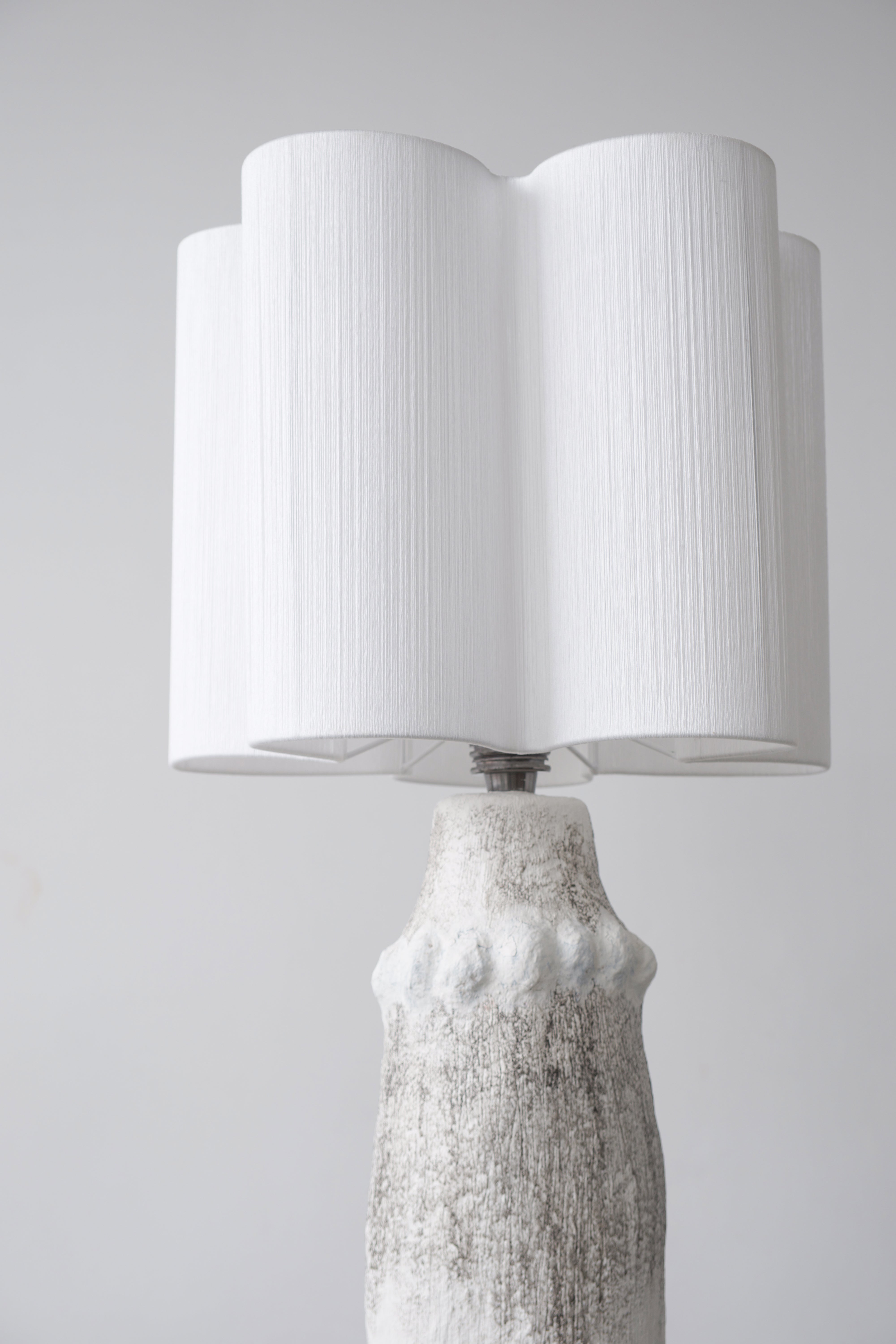
Sustainability as a design standard
Sustainability has become a fundamental principle of contemporary interior design. It is no longer treated as an optional feature but as an expected design standard.
Interior designers today focus on materials that support long-term use, environmental responsibility, and emotional durability. Sustainable interiors are built to age gracefully rather than follow short-term trends.
Why interior designers focus on sustainable materials
Designers increasingly search for sustainable interior materials due to client expectations and environmental awareness.
Modern projects demand transparency in sourcing, production, and lifespan. Sustainability influences not only ecological impact but also perceived quality and authenticity.
Material choice has become a design statement.
Natural materials as sustainable foundation
Natural materials remain central to sustainable interior design.
Wood, stone, clay, linen, wool, and mineral-based finishes offer durability and low environmental impact when sourced responsibly. These materials age naturally and require minimal chemical treatment.
Their tactile quality enhances emotional comfort.
Recycled and reclaimed materials
Recycled materials play a growing role in modern interiors.
Reclaimed wood, recycled metals, and reused architectural elements reduce waste while adding character. Designers value materials with visible history and texture.
Recycled content contributes to circular design principles.
Biocomposite and bio-based materials
Biocomposite materials are gaining popularity in sustainable interiors.
They combine natural fibers with mineral or plant-based binders, offering strength, texture, and reduced carbon footprint.
Biocomposites bridge craftsmanship and innovation.
Low-impact finishes and surface treatments
Surface finishes significantly influence sustainability.
Designers prioritize natural oils, water-based coatings, mineral paints, and low-VOC treatments. These finishes improve indoor air quality and reduce environmental harm.
Healthy interiors begin with invisible decisions.
Longevity over replacement
Sustainable design prioritizes durability.
Rather than frequent replacement, designers choose materials capable of long-term use and repair. Objects are selected for lifespan rather than seasonal relevance.
Longevity reduces waste and enhances design value.
Sustainable lighting materials
Lighting design plays an important role in sustainable interiors.
Textile shades, natural fibers, mineral composites, and replaceable components extend product lifespan. Energy-efficient light sources are expected as standard.
Sustainable lighting balances performance and responsibility.
Material transparency and design ethics
Designers increasingly request transparency from manufacturers.
Understanding where materials originate and how they are processed influences specification decisions. Ethical production aligns with contemporary design values.
Transparency strengthens trust.
Lighting aligned with sustainable interiors
Sustainable interiors favor warmth, texture, and restraint.
Lighting crafted from natural and durable materials integrates seamlessly into eco-conscious spaces.
PletoStudio develops sculptural lighting aligned with sustainable design principles, focusing on longevity, material honesty, and emotional comfort.
Trade program for interior designers
For interior designers and architectural studios, PletoStudio offers an individual professional trade program supporting sustainable interior projects.
The program includes designer pricing, customization options, project quotations, and access to material samples upon request.
Final perspective
Sustainable interior design materials shape the future of the industry.
For interior designers, sustainability is no longer a trend but a responsibility — combining aesthetics, ethics, and long-term value.


