



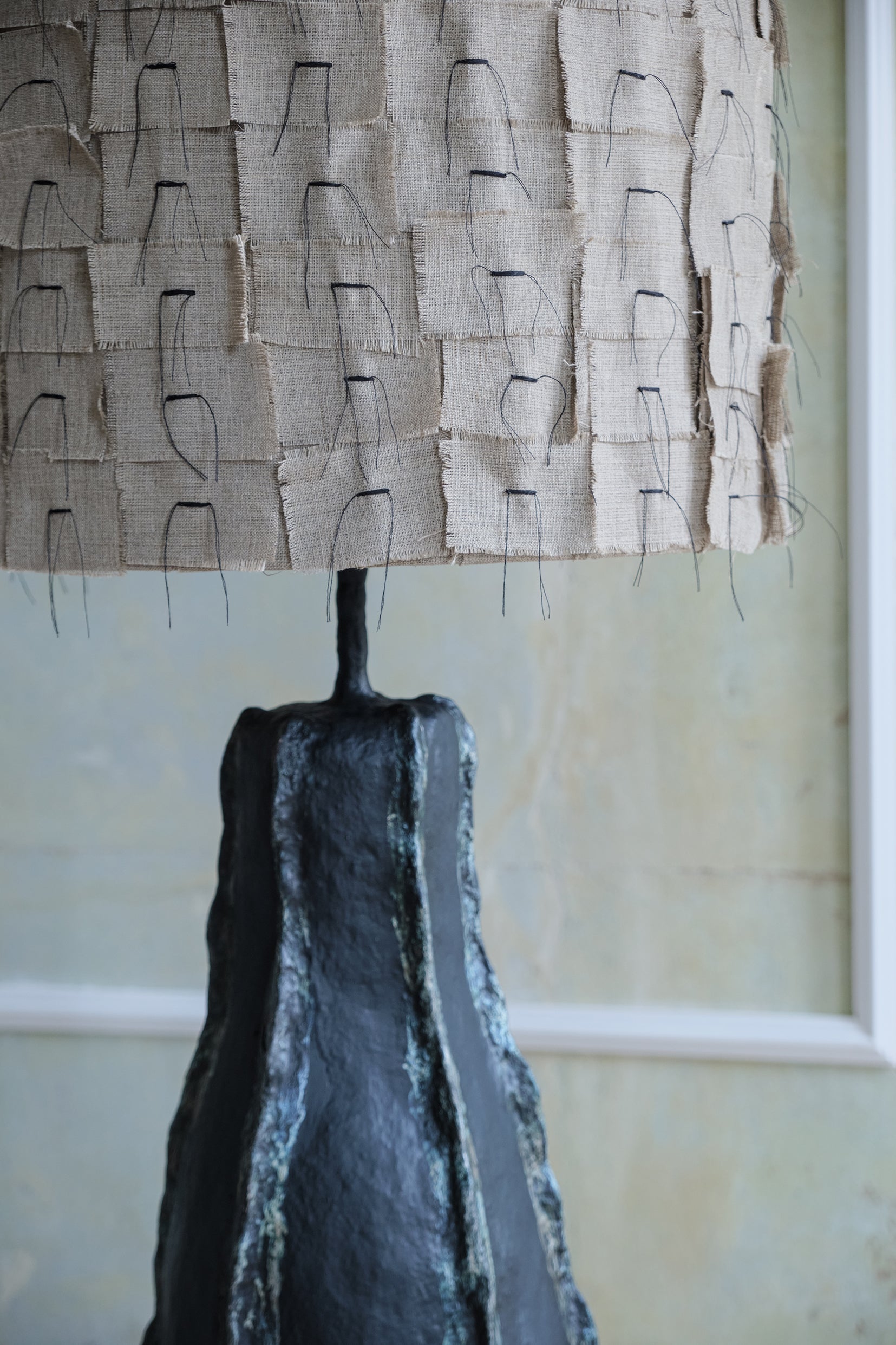
Understanding the difference in modern interior design
Lighting in contemporary interiors is no longer limited to visual appeal. Designers differentiate clearly between architectural lighting and decorative lighting, as each serves a distinct purpose within space.
Understanding this difference allows interior designers to create balanced interiors where light supports both function and emotion.
What is architectural lighting
Architectural lighting is integrated directly into the structure of a space.
It includes recessed ceiling lights, wall-integrated lighting, linear systems, niches, and indirect illumination. This type of lighting defines spatial geometry and ensures functional visibility.
Architectural lighting is typically subtle and often invisible as an object.
Purpose of architectural lighting
The primary role of architectural lighting is structure.
It establishes orientation, highlights circulation paths, and supports daily activities. Designers use it to shape volume, emphasize proportions, and guide movement through space.
Architectural lighting forms the backbone of every interior lighting plan.
What is decorative lighting
Decorative lighting is visible and expressive.
It includes floor lamps, pendants, wall sconces, and sculptural luminaires. Decorative lighting introduces personality, texture, and emotional warmth.
Unlike architectural lighting, decorative lighting is chosen for both form and light quality.
Purpose of decorative lighting
Decorative lighting creates atmosphere.
It softens interiors, adds focal points, and enhances visual identity. Designers use decorative lighting to express style and mood rather than illuminate tasks.
Decorative lighting humanizes architectural structure.
Key differences between the two
Architectural lighting focuses on function and spatial clarity. Decorative lighting focuses on emotion and expression.
One is integrated, the other is visible. One organizes space, the other defines character.
Successful interiors balance both.
Why designers combine both approaches
Using only architectural lighting often results in cold, over-lit spaces.
Using only decorative lighting can lead to insufficient functionality.
Interior designers layer both types to achieve comfort, flexibility, and visual harmony.
Lighting hierarchy in modern interiors
Designers typically start with architectural lighting as the base layer.
Decorative lighting is added later to enhance atmosphere. Sculptural lighting often becomes the emotional center of the space.
This hierarchy allows interiors to adapt to different moments of the day.
Role of sculptural lighting
Sculptural decorative lighting bridges the gap between architecture and emotion.
It provides light while acting as an art object. Floor lamps and statement luminaires introduce rhythm and visual depth.
This type of lighting is especially valued in contemporary interiors.
Lighting aligned with modern interior philosophy
Modern interiors favor restraint, warmth, and clarity.
Lighting must support architecture without overpowering it.
PletoStudio develops sculptural lighting that complements architectural lighting systems, providing designers with expressive yet balanced solutions.
Trade program for interior designers
For interior designers and architectural studios, PletoStudio offers an individual professional trade program supporting lighting specification and project collaboration.
The program includes designer pricing, customization options, project quotations, and access to material samples upon request.
Final perspective
Architectural and decorative lighting serve different but equally important roles.
For interior designers, understanding how to combine structure and expression through light is essential for creating refined, comfortable interiors.


