



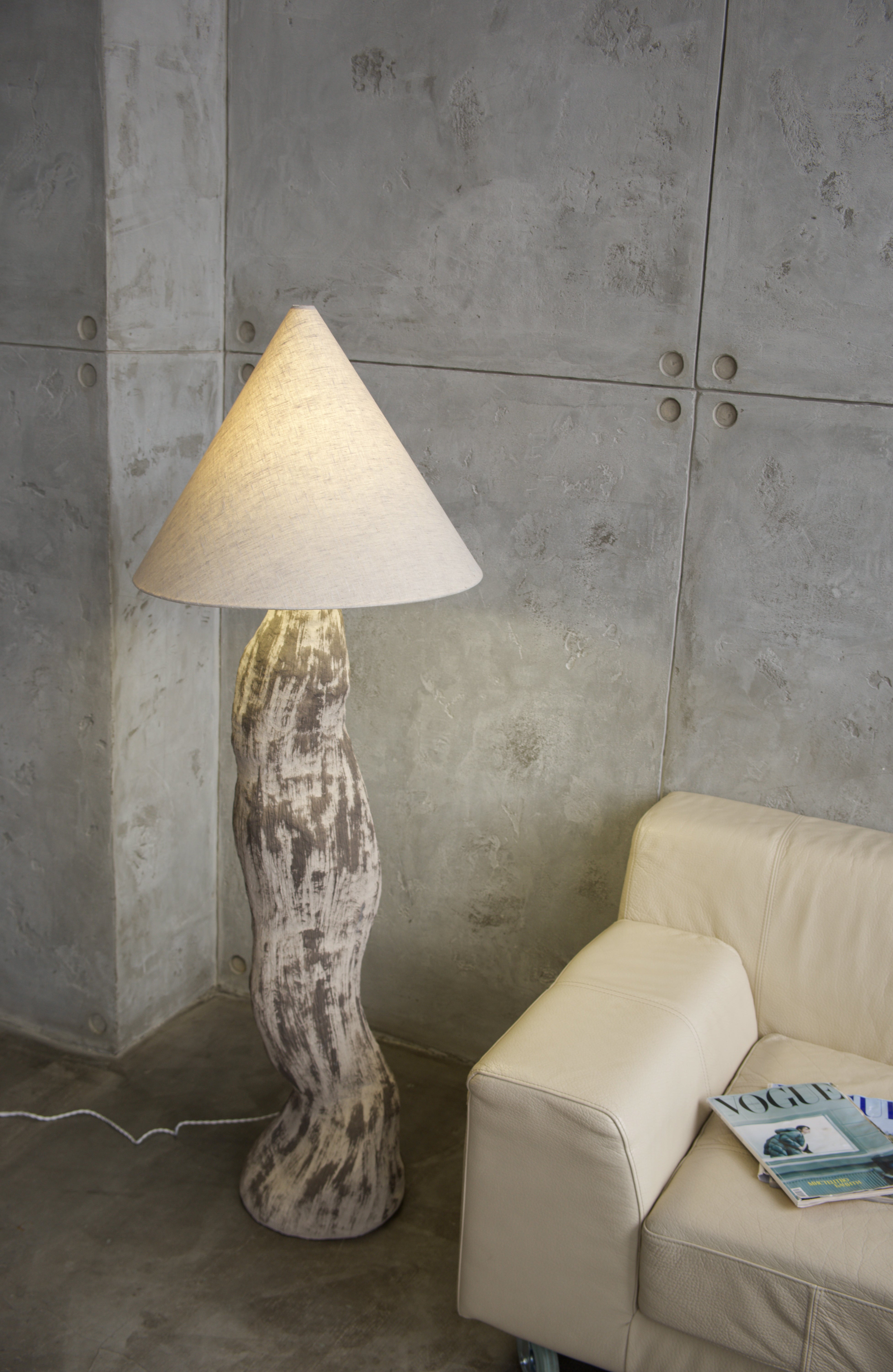
In recent years, interior design has undergone a quiet yet profound transformation. Homes are no longer styled solely for comfort or visual harmony — they are increasingly curated as personal collections. At the center of this shift stands collectible design: functional objects created with the mindset of art, craftsmanship, and long-term value.
Once confined to galleries and design fairs such as Maison&Objet, Design Miami, and international collectible exhibitions, sculptural furniture and lighting objects are now finding their place in private interiors. These pieces are not selected to follow trends, but to anchor a space emotionally and materially.
Collectible design occupies a unique position between art and function. Each object carries a narrative — of material, process, cultural reference, and time. Unlike mass-produced furniture, collectible pieces are often handmade, produced in limited editions, or created as one-of-a-kind works. Their value grows not through branding alone, but through authenticity and intention.
In contemporary interiors, collectible design serves as a focal point. A sculptural floor lamp, a tactile coffee table, or a material-driven lighting object can define the atmosphere of an entire space. Rather than decorating around furniture, designers increasingly build interiors around a single meaningful object.
This approach reflects a broader cultural shift toward slow design and conscious consumption. Collectors and homeowners alike seek objects that age beautifully, develop patina, and retain relevance beyond seasonal trends. Materials such as natural composites, clay-based surfaces, wood, textile fibers, and metal are celebrated for their imperfections and tactile presence.
From New York lofts to California residences, collectible design has become a form of quiet luxury — understated, intentional, and deeply personal. These interiors resist excess. Instead, they invite stillness, balance, and reflection.
As the boundaries between art, design, and living spaces continue to dissolve, collectible design is no longer an exception. It is becoming the language of modern interiors — where design objects are chosen not only to be used, but to be lived with, contemplated, and passed on.


