



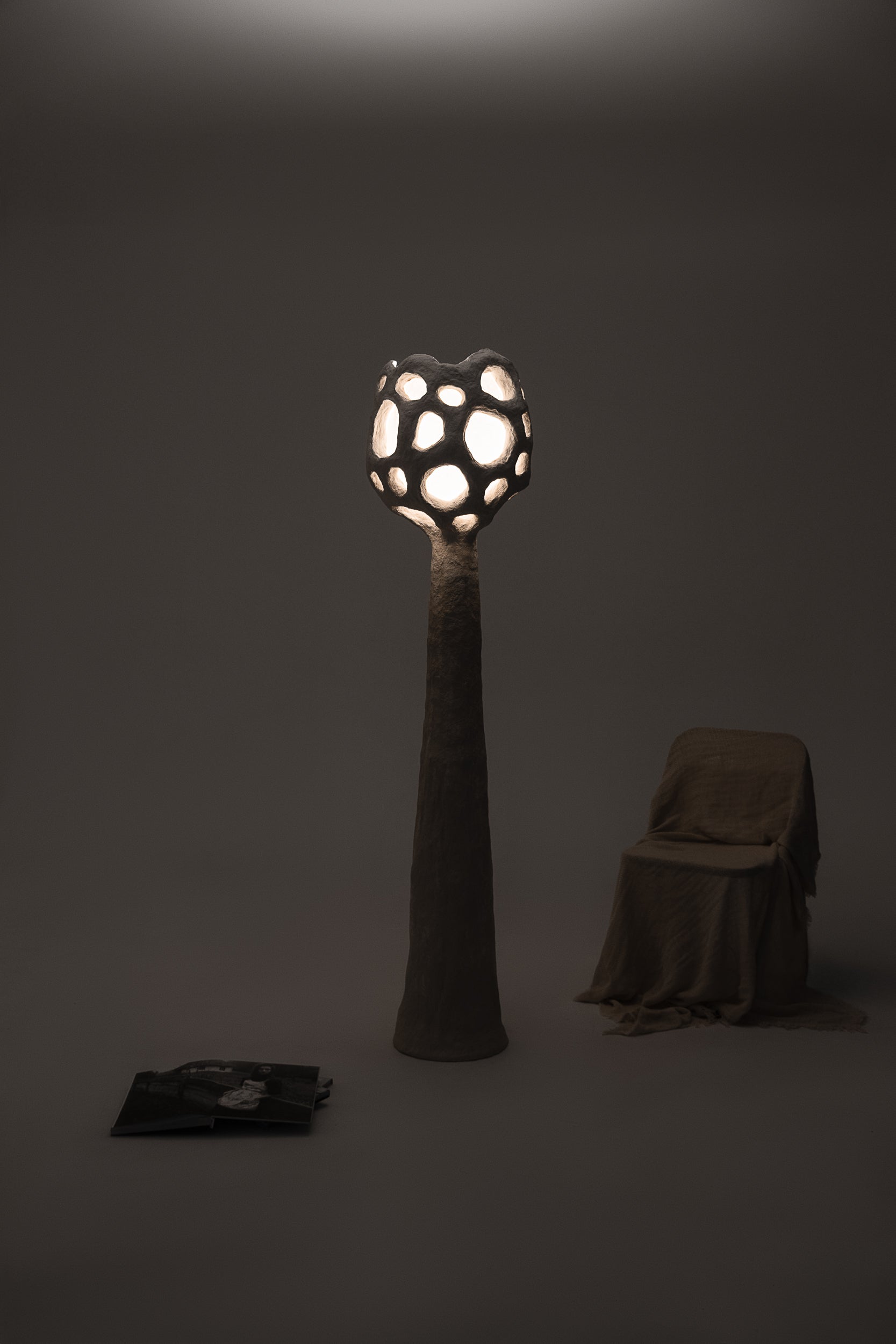
For years, the word handmade functioned like a guarantee of value.
It suggested care, authenticity, human touch, uniqueness.
But in 2025, “handmade” has lost its power as a selling argument — not because the craft is less valuable, but because the term has been overused, misused, and devalued by mass Etsy-style production.
Today, a collector or designer does not ask:
“Is this handmade?”
They ask:
“Is this collectible?”
“Is this authored?”
“Is this materially truthful?”
“Is this editioned, documented, and recognizably yours?”
The difference is everything.
✅ Why “Handmade” Lost Its Prestige
Oversaturation
Etsy, TikTok “studio brands,” cheap artisanal replicas — handmade became associated with hobby-level craft, not cultural design.
No identity attached
If 200 makers are “handmaking” similar pieces, the hand is not the value — the voice is.
Buyers became more educated
They now know that handmade does not mean high-end. It can be beautiful and still not collectible.
The rise of studio authorship
Buyers don’t want “handmade by someone” — they want “made by this studio and no one else”.
Handmade does not imply rarity anymore
Scarcity, not fabrication method, determines value.
✅ What Buyers Actually Respond to Now
Handmade is still relevant — but only if it is embedded inside something bigger:
authorship (a recognizable studio language)
material philosophy (not generic clay, but biocomposite, charred wood, hemp fiber, etc.)
edition structure (1/8, unique piece, not repeatable “product”)
emotional and sculptural presence (not functional decor)
documented identity (certificate, year, signature, provenance)
placement in architectural or collector environments
Handmade by itself = process.
Handmade + authorship + rarity = cultural object.
✅ The New Buyer Logic
OLD buyer logic:
“Is it handmade? Good, I will buy it.”
NEW buyer logic:
“Is it authored, scarce, sculptural, and materially meaningful — and handmade as part of the story?”
The hand is no longer the value —
the intent is.
✅ Why This Matters for Pricing
When a brand sells “handmade decor,” the buyer expects affordability.
When a studio sells limited sculptural design, the buyer expects value, not a low price.
Handmade without identity → $200–$800 market
Handmade with authorship + narrative → $3,000–$30,000+ market
So “handmade” didn’t die —
it outgrew the craft world and entered the collectible world.
✅ How Studios Should Speak in 2025
WRONG:
“Our lamps are handmade from natural materials.”
RIGHT:
“Each lamp is hand-built in small editions from our signature biocomposite formula — a clay-based blend with hemp fibers, cellulose, wood shavings, and mineral binders, developed in our studio. No two pieces are identical, and every object is documented with a certificate and edition number.”
One sentence = craft.
The second sentence = market value.
✅ The New Language of Collectible Design
not handmade → hand-formed
not natural → material-specific
not unique → editioned
not crafted → authored
not decor → object
not furniture → functional sculpture
Buyers don’t want to know how you made it.
They want to know why it exists and why it will matter later.


