



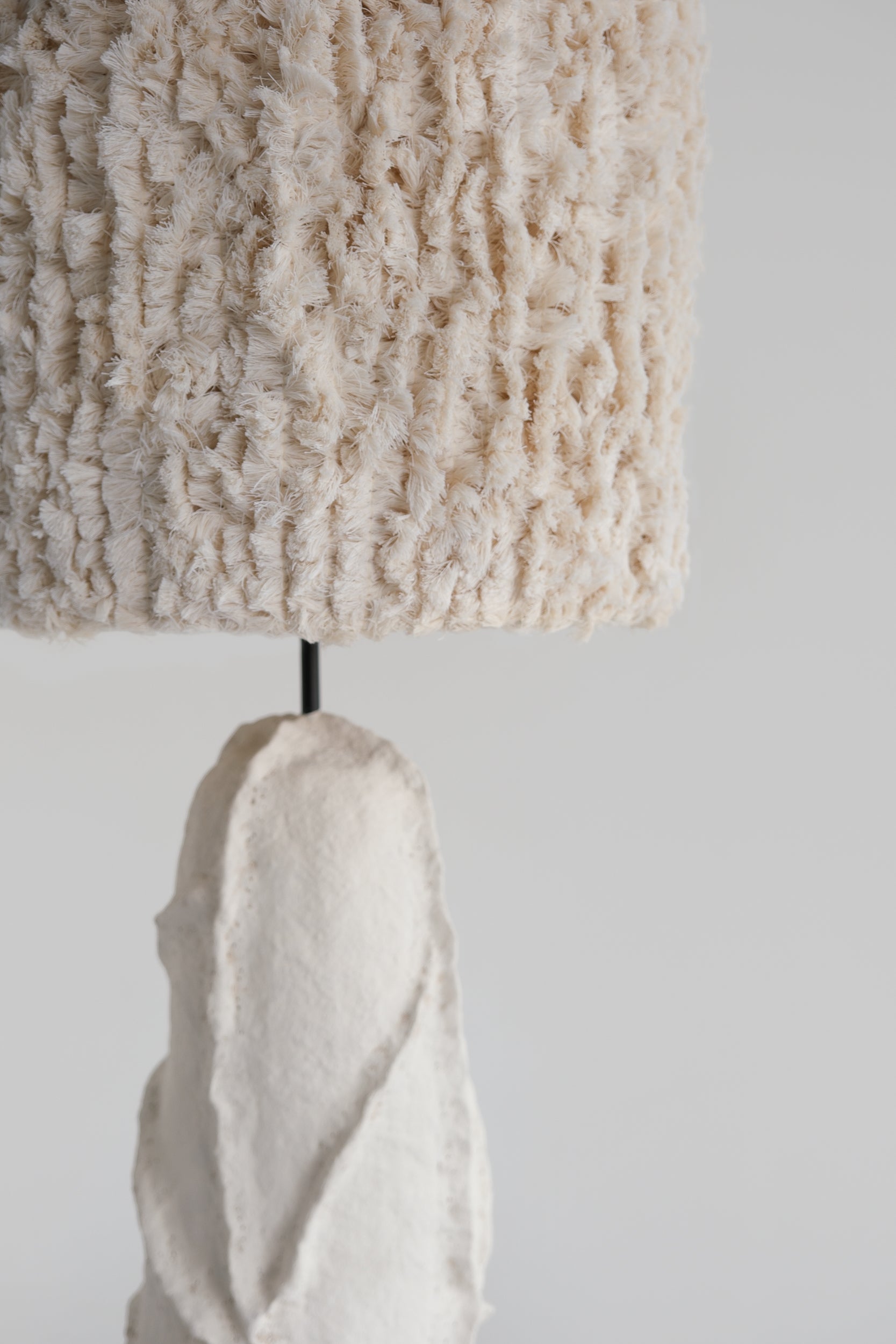
The difference between “beautiful furniture” and “investment design” has never been clearer.
A visually striking object is not enough.
A handcrafted object is not enough.
A limited object is not enough.
Collectors are no longer buying only for the home — they are buying for future value, provenance, and cultural longevity.
So what determines whether a sculptural lamp or table becomes resale-ready?
Not hype.
Not trend.
But identity, scarcity, documentation, and authorship.
✅ The 7 Factors That Make a Design Object Resellable
Studio or Designer Identity
A recognizable author matters more than the material or price.
Collectors buy names, then objects.
Edition Structure
One-of-one, edition of 8, or open edition?
Scarcity = value.
Material Integrity
Clay, biocomposite, stone, charred wood, wool, plaster — materials that age well.
Plastic & lacquered MDF = value death.
Documented Provenance
Certificate of authenticity, edition number, year, signature, exhibition history.
Without documentation → it becomes “decor,” not “design.”
Recognizable Form Language
The object must look like it belongs to the studio — not a Pinterest trend.
Placement in Architectural or Curated Interiors
If the object lives in a published home → value increases.
Press = proof of relevance.
Auction or Gallery Entry Potential
Even if not sold yet — the object must look “auction-eligible.”
If a studio builds objects that check these 7 boxes — they are not selling furniture.
They are building a future market.
✅ How Collectors Think When Buying Functional Art
They ask:
Will this object still feel relevant in 10 years?
Could this be exhibited in a gallery if removed from the home?
Is the material alive, not synthetic?
Does the object hold emotional tension, not decoration appeal?
Could it resell, insure, archive, trade?
Collectors don’t buy because they need a lamp or table.
They buy because they want ownership of meaning.
✅ Why Some Objects Lose Value — Even if They Are Handmade
too trendy → looks like last season’s interior moodboard
too decorative → not enough sculptural or spatial identity
too smooth or “perfect” → no material depth = no emotional bond
too mass-visible → looks repeated on Pinterest or in stores
no provenance → nothing to pass on, nothing to insure
no narrative → no cultural context, just “a nice object”
True collectible objects age into identity.
Decor ages into irrelevance.
✅ How Studios Can Make Their Work Resale-Friendly
Offer certificates and signed documentation
Keep edition history public, not secret
Never overproduce a successful form
Name pieces like artworks — not product codes
Provide high-resolution press + 3D assets for designers and galleries
Avoid trend palettes — use material identity instead of color trends
Design for emotion first, function second
The resale market is not built 5 years later.
It is built the moment the piece is released.
✅ Why This Matters for Lamps & Sculptural Objects
Because lighting is now entering auctions faster than furniture ever did.
Because biocomposite, charred wood, and textile-sculpture materials age well.
Because collectors want objects they can live with before they trade them.
The new logic:
If a lamp can’t be resold — it’s decor.
If it can be resold — it’s functional art.


