



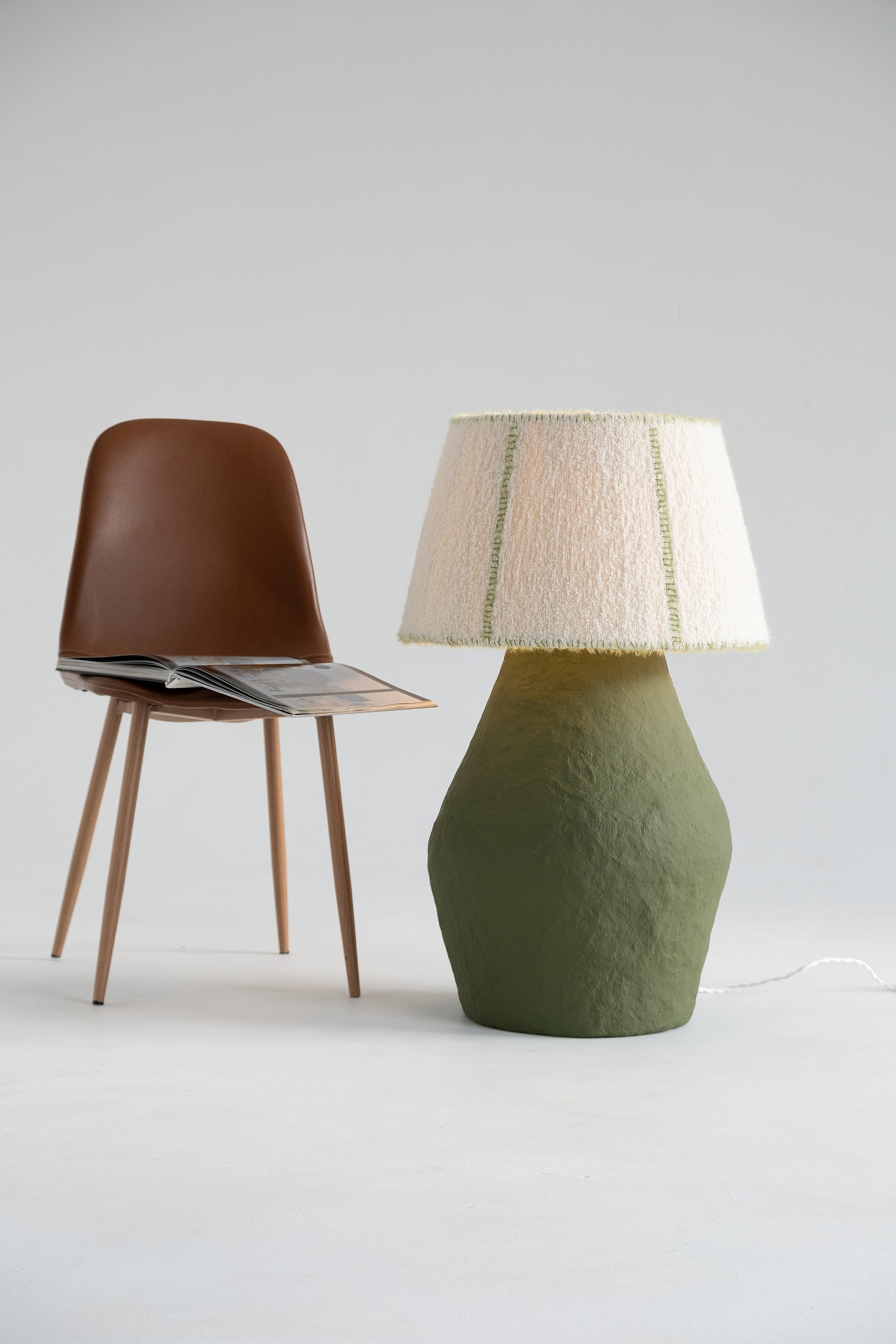
In the last decade, interior design has quietly evolved from decoration into curation. Homes are no longer filled with “matching furniture sets,” but with intentional objects — sculptural pieces that feel closer to art than to product design. This new category is called functional art, and it is changing how we live, buy, and value the objects around us.
Unlike mass-produced furniture, functional art is defined not by its utility, but by its presence. A sculptural floor lamp isn’t purchased because it lights a room — it is purchased because it becomes the room. The shift is not about more function, but deeper meaning: emotional texture, narrative, rarity, and material honesty.
This evolution is most visible in the U.S. luxury market, where design collectors now approach interior objects the same way they approach fine art. At fairs like Design Miami, ICFF New York, and Frieze LA, the boundary between “home object” and “gallery artifact” is nearly erased. A floor lamp may stand beside a bronze sculpture, not in a showroom — but in a curated booth with spotlights and provenance.
From Product → Artifact
Traditional design solves problems.
Functional art provokes questions:
-
What does this object express beyond function?
-
Does its form feel like something sculpted, not engineered?
-
Does it create emotion — stillness, movement, tension, calm?
-
Is the material visible, honest, tactile?
Pieces like sculptural lamps, hand-built coffee tables, and textured wall fixtures are not purchased as décor accessories. They serve as anchors of identity, shaping a space the way a painting once did.
Why Collectors Are Switching to Functional Art
Three reasons explain the shift:
1. Emotional Saturation
Americans now spend more time at home than ever before. The pandemic triggered a wave of “emotional interiors,” where objects must feel alive, soulful, and individual — not industrial.
2. Investment Value
Just like fine art, collectible furniture appreciates when handmade in small editions, created from signature materials, or produced by a studio with a recognizable language.
A sculptural floor lamp may sell today for $4,000, and resell in five years for $12,000 — not because it lights better, but because it is culturally held.
3. Shift from Decoration to Identity
Homes are no longer decorated for guests — they are curated for self-belonging. A sculptural lamp, a stone-like biocomposite table, a textile-wrapped mirror — all of it reflects who we are, not what we own.
The Power of Material Language
One of the strongest movements inside functional art is the rejection of artificial perfection. Instead, materials like clay, charred wood, wool bouclé, limewashed texture, and biocomposite blends are becoming the new luxury.
Pieces such as sculptural floor lamps in natural textures, organic coffee tables shaped by hand, or lamps made from clay-based biocomposite (like those in PletoStudio) appeal not because they are flawless — but because they are alive.
Sustainability here is not a marketing word, but a design truth: the object must feel human enough to be cherished, not disposed.
Where Functional Art Is Being Shown in the U.S.
Carpenters Workshop Gallery (NYC)
Friedman Benda (NYC)
The Future Perfect (Los Angeles, New York)
R & Company (NYC)
Design Miami / Basel
Salon Art + Design (NYC)
These galleries and fairs now present furniture the same way they present sculpture — on pedestals, under spotlights, narrative-first.
The message is clear:
The lamp is no longer a tool. The table is no longer a surface. The object is the artwork.
The Future of Living Spaces
We are entering a time where homes will feel more like intimate galleries. Dining rooms become curated installations. A single sculptural lamp replaces 12 décor items from Amazon. Emotional interiors replace decorated interiors. And the objects inside them speak — not serve.
Functional art is not a trend.
It is a cultural correction.
And those who collect it early will shape not only interiors — but history.


