



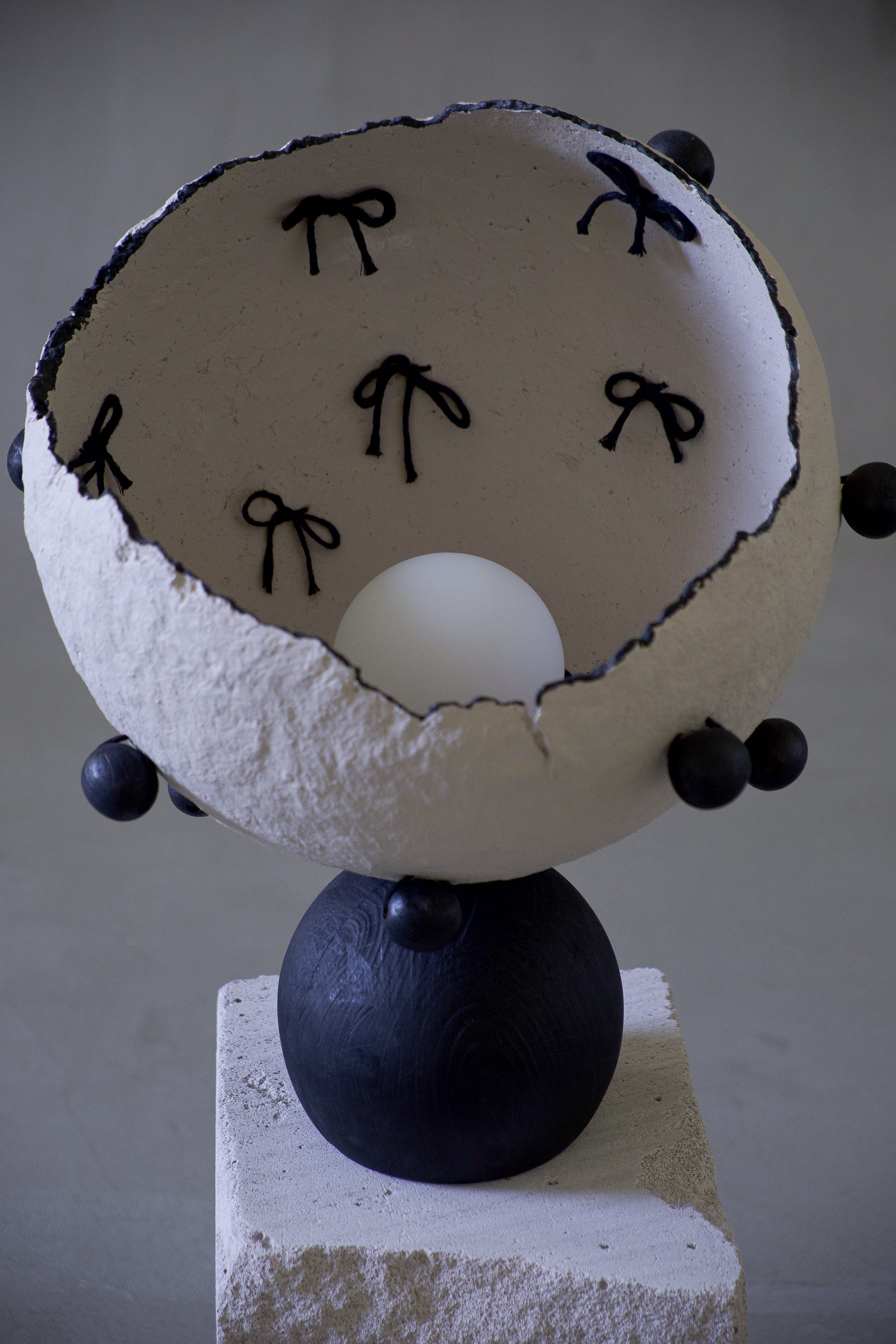
In the past, lighting was treated as a technical necessity. It was measured in lumens, wattage, efficiency, coverage. A lamp was primarily judged by how well it illuminated a room.
Today, that logic has collapsed.
Sculptural lighting has become one of the most defining forces in interior design — not because of how it lights a space, but because of how it shapes atmosphere, identity, movement, and emotional depth.
A sculptural floor lamp does not hide in a corner.
It stands like a presence — a character in the room.
It is no longer functional first. It is expressive first.
This shift marks a new era: lighting as language.
Why Sculptural Lamps Are Replacing Decorative Lighting
Traditional lighting = “add brightness.”
Sculptural lighting = “add meaning.”
People in the U.S. are no longer buying lamps to match furniture.
They are buying lamps to center the room, to anchor the space emotionally.
That is why collectible lighting is now found in:
gallery-style apartments in New York
architect-led homes in Los Angeles
Miami art residences and penthouses
Austin minimal-brutalist interiors
luxury Airbnbs designed for visual storytelling
hotel lobbies where a single lamp becomes a photo point
Light now exists to create feeling, not convenience.
What Makes a Lamp Sculptural — Not Just Designed
It rejects standard silhouettes
It evokes material weight or softness
It feels hand-shaped, not factory shaped
It interacts with space even when turned off
It communicates before it illuminates
A sculptural lamp can be heavy, stone-like, matte, raw, asymmetrical.
A sculptural lamp can look like a totem, a pillar, a coral form, a textile fall, a mineral extraction.
It can be quiet or theatrical — but it is never invisible.
The Emotional Power of Light + Form
Light itself already carries emotion:
warm tones calm, cool tones wake, shadow creates depth.
But when paired with sculptural form, lighting stops being a utility and becomes a gesture.
A cave-like lamp creates stillness.
A mineral-textured base creates grounding.
A wool-wrapped shade creates softness and domestic intimacy.
A burned-wood column creates tension and drama.
Light becomes the echo of the object — not the function of it.
Why Collectors Are Investing in Lighting First
In the collectible design world, lighting is often the first purchase, not the last.
Because lighting:
changes space instantly
requires no full-room redesign
is both sculpture and function
carries emotional presence without taking visual weight
is moveable and inheritable
A sculptural lamp is like a portable art piece — you do not need to build a home around it, yet it can define the home once placed.
This is why floor lamps, table lamps, and hanging pieces are leading the collectible market faster than chairs or tables.
Where Sculptural Lighting Is Exhibited Today
Design Miami / Basel
Salon Art + Design (NYC)
Carpenters Workshop Gallery
Galerie Philia
The Future Perfect
R & Company
1stDibs Limited Editions
Private architecture-led showrooms (LA, Dallas, Mexico City)
These spaces do not sell “lighting design.”
They sell light as sculpture.
The Future of Lighting Is Not Smart — It’s Emotional
Tech-driven lighting products already exist — smart bulbs, sensors, automation.
But emotional lighting is not about technology.
It is about presence.
Homes of the future will not ask, “How bright is this lamp?”
They will ask, “What does this lamp change about the room — and the person inside it?”
Lighting has become one of the most poetic mediums in interior design.
It is no longer the supporting role.
It is the protagonist.


