



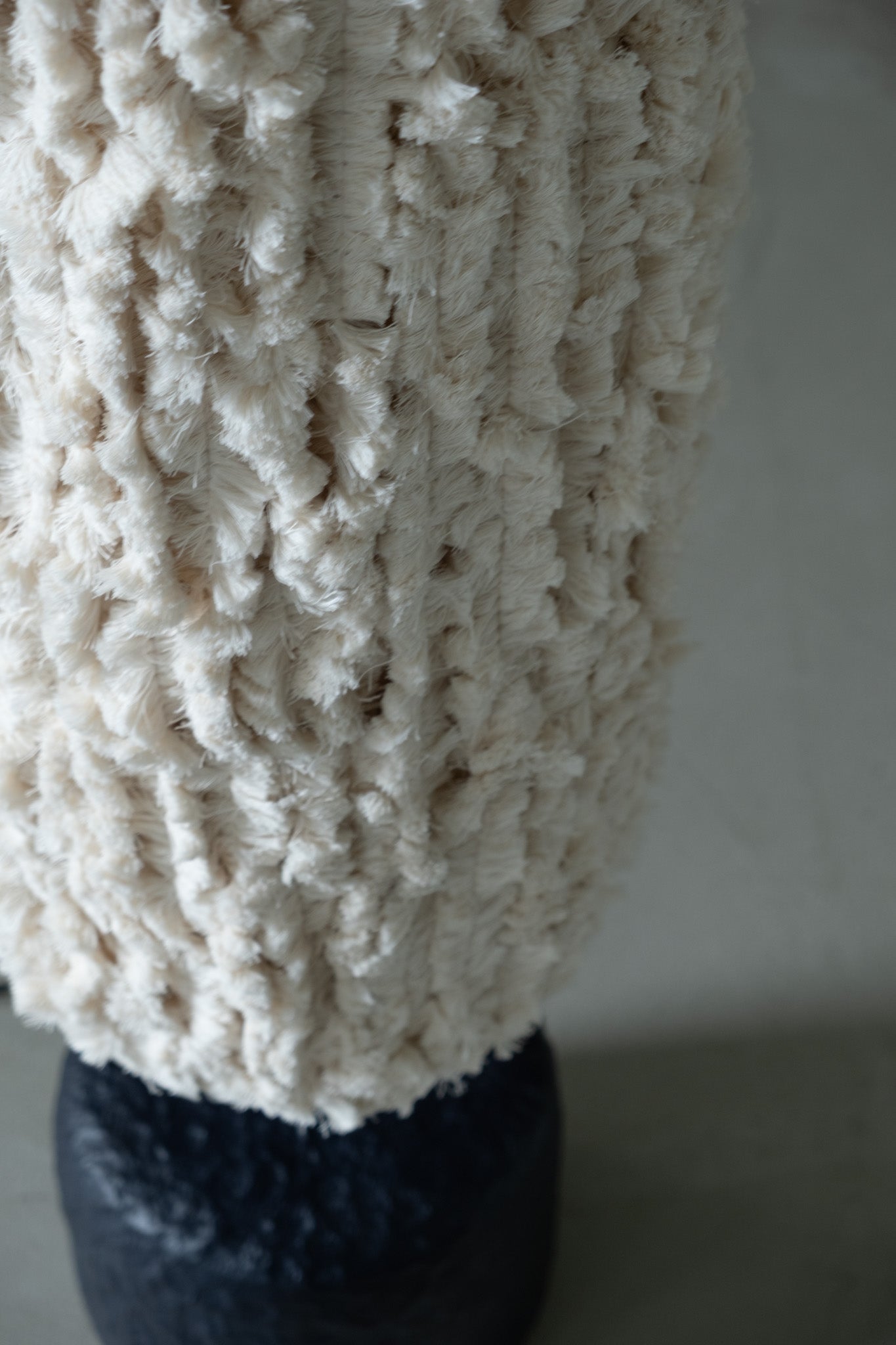
For years, the furniture market was split into two clear categories:
Retail → mass-produced, trend-driven, repeatable
Fine art → collected, archived, traded, museum-exhibited
But between those worlds, a new category has emerged — functional art, where a floor lamp may cost as much as a painting, and a coffee table is treated like a sculptural object with resale value.
The biggest shift?
Collectors are no longer discovering pieces in stores — they are finding them in platforms, fairs, private circles, and direct studio relationships.
✅ 1. Design Fairs: Where Collectors Make First Contact
Functional art sells fastest not online — but in-person, through experience.
Key fairs in the U.S.:
Design Miami
Salon Art + Design (New York)
ICFF + WantedDesign
Frieze LA (design section)
Armory Off-Site
At these fairs, lamps stand on pedestals like bronze sculptures.
Coffee tables are displayed under museum lighting.
Buyers don’t ask “How much?” first — they ask “Is this a unique piece or editioned?”
Fairs are not just events. They are live marketplaces for cultural value.
✅ 2. 1stDibs — But Not the Retail Side
Public 1stDibs is filled with vintage chairs, Italian lighting and mid-century replicas.
But the private 1stDibs Collector Program is a different world — early-access drops, limited editions, studio-made works, and direct acquisition through advisors.
Collectors use 1stDibs to:
track emerging studios
compare prices from galleries vs. direct makers
buy “last available” edition pieces before auction circulation
build watchlists for appreciation value
1stDibs is no longer a shopping site — it is a research tool.
✅ 3. Galerie Philia, The Future Perfect, Marta, and R & Company
These spaces act like hybrid gallery-showrooms — not retail stores.
They discover studios, curate objects, and introduce them to collectors.
They sell emotional objects, not functional categories:
not “floor lamps” but sculptural light columns
not “coffee tables” but monolithic biomaterial forms
not “decor” but living artifacts
They influence taste the way museums used to — only now, the objects go straight into private homes.
✅ 4. Direct-to-Studio Buying (The Fastest Growing Channel)
The biggest acceleration in 2023–2025 is collector-to-studio purchasing.
Why buyers skip galleries:
lower markup
direct story from the maker
ability to request custom sizes
sense of ownership and access
collectors love knowing “the artist, not the brand”
Studios that provide:
price list
shipping workflow
certificate of authenticity
edition structure
PDF or Google Drive presentation
→ close sales faster than galleries with 40% consignment margins.
✅ 5. Instagram + Private DMs + WhatsApp Lists
Collectors now message studios directly:
“Is this available?”
“What’s the edition size?”
“Can you hold until Monday?”
Instagram has replaced showroom visits.
WhatsApp has replaced sales reps.
Dropbox links have replaced printed catalogs.
The collector doesn’t browse — they hunt.
✅ 6. Auction Market Is Coming Next (and Growing Fast)
Phillips, Sotheby’s, Christie’s now sell:
lighting
tables
sculptural furniture
editioned seating
biomaterial works
charred wood pieces
Lots bought today for $6,000–$8,000 will likely resell for $18,000–$40,000 in 5–10 years — because there are fewer physical assets with emotional and material longevity.
Functional art is not hype.
It is future-proof value.
✅ What This Means for Studios Like PletoStudio
You don’t need:
retail stores
big brand collaborations
showroom middlemen
You do need:
direct collector pathways
trade pricing for designers and architects
fairs / press / digital curation presence
certificates, edition numbers, documentation
professional photography + 3D assets
storytelling that matches collectible culture
Collectors are not looking for “home decor.”
They are looking for objects that hold space, identity, and value.
And they are willing to buy them directly — if the studio speaks their language.


