



The return to material authenticity
Natural materials have become one of the most important foundations of contemporary interior design. Designers across the world are moving away from artificial finishes toward surfaces that age naturally and express texture, depth, and imperfection.
This shift reflects a broader desire for interiors that feel grounded, calm, and emotionally authentic rather than visually engineered.
Natural materials allow spaces to connect architecture with human experience.
Why interior designers prioritize natural materials
Interior designers search for natural materials when clients request warmth and longevity.
Unlike synthetic surfaces, natural materials respond to light, touch, and time. They change subtly, creating living interiors rather than static environments.
Designers increasingly choose materials that develop character instead of losing relevance.
Wood as the structural foundation
Wood remains one of the most versatile natural materials in interior design.
Its grain, warmth, and adaptability allow it to function across architectural elements, furniture, and lighting. Designers use both light and dark species to create rhythm and contrast.
Wood brings balance between structure and softness.
Stone and mineral surfaces
Stone introduces stability and timelessness.
Materials such as travertine, limestone, marble, and clay-based surfaces add weight and calm presence. Their natural variation creates visual depth without decoration.
Stone surfaces interact beautifully with soft lighting.
Textile materials and tactile comfort
Textiles play a crucial role in contemporary interiors.
Wool, linen, cotton, and felt soften acoustics and absorb light. These materials reduce visual hardness and enhance emotional comfort.
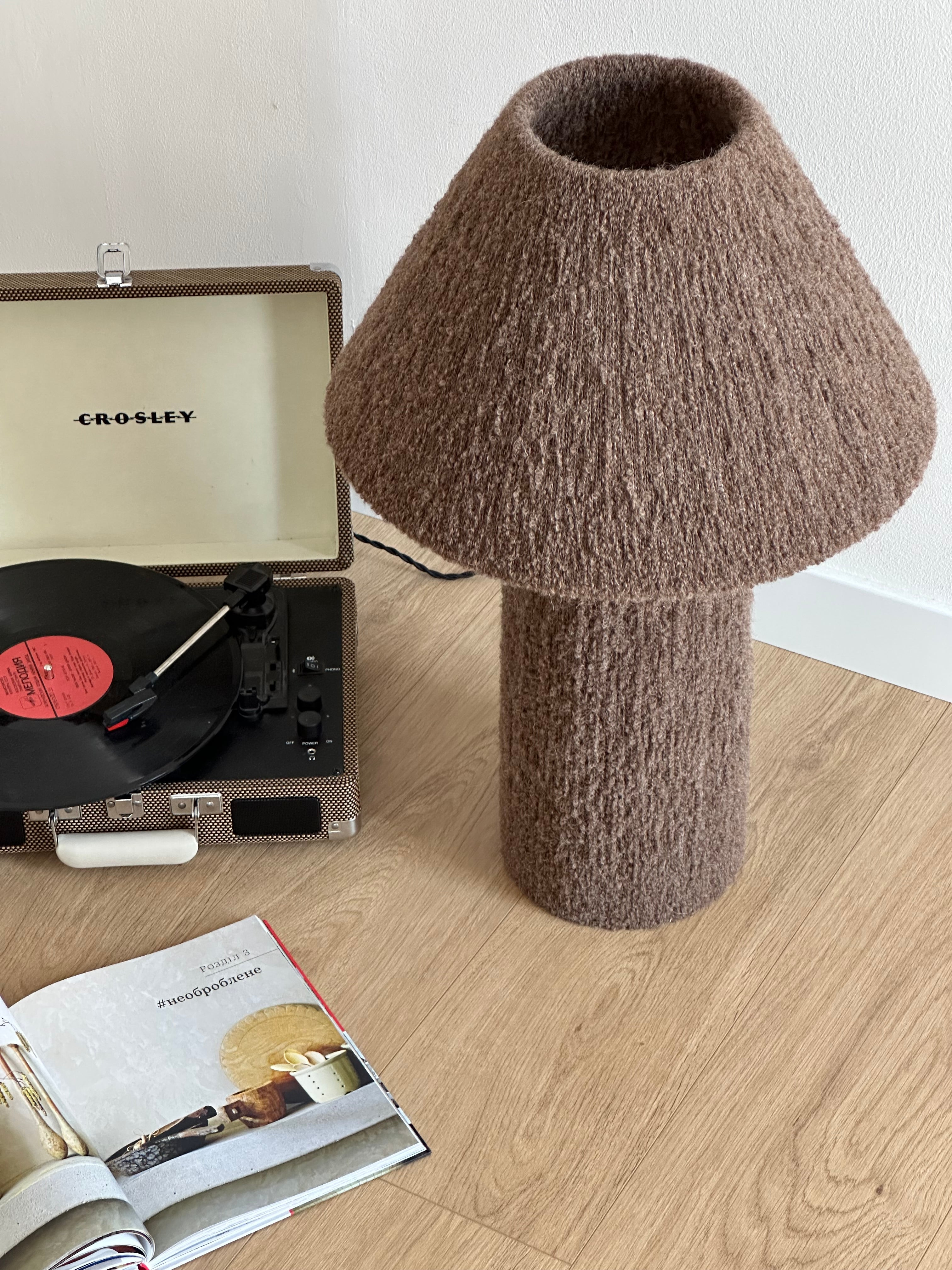
Textiles are increasingly integrated into lighting design to create warm diffusion.
Clay, plaster, and handcrafted finishes
Clay-based materials and textured plasters are widely used for walls and sculptural elements.
Their irregular surfaces create shadow play and subtle movement. Designers favor hand-applied finishes that reveal human presence.
These materials enhance spatial depth.
Biocomposites and modern natural materials
Biocomposite materials are gaining popularity in sustainable interior design.
Combining natural fibers with mineral binders, these materials offer strength, texture, and environmental responsibility.
Biocomposites bridge tradition and innovation.
Light interaction with natural materials
Natural materials transform light behavior.
Matte surfaces soften illumination, creating depth rather than glare. Designers intentionally pair lighting with textured materials to enhance atmosphere.
Light reveals material character instead of overpowering it.
Natural materials in modern interiors
Natural materials are widely used in residential, hospitality, wellness, and cultural interiors.
Their versatility allows designers to build calm spaces that feel timeless and tactile.
Material restraint supports visual clarity.
Lighting aligned with material-driven interiors
Lighting designed for natural interiors emphasizes softness and texture.
Sculptural lighting crafted from wool, clay, wood, and mineral composites integrates seamlessly into material-rich spaces.
PletoStudio develops lighting that complements natural materials, enhancing warmth and spatial harmony.
Trade program for interior designers
For interior designers and architectural studios, PletoStudio offers an individual professional trade program supporting material-driven interior projects.
The program includes designer pricing, project quotations, customization options, and access to material samples upon request.
Final perspective
Natural materials redefine contemporary interior design through authenticity, tactility, and longevity.
For interior designers, they offer a foundation for creating spaces that feel calm, meaningful, and connected to nature.


