



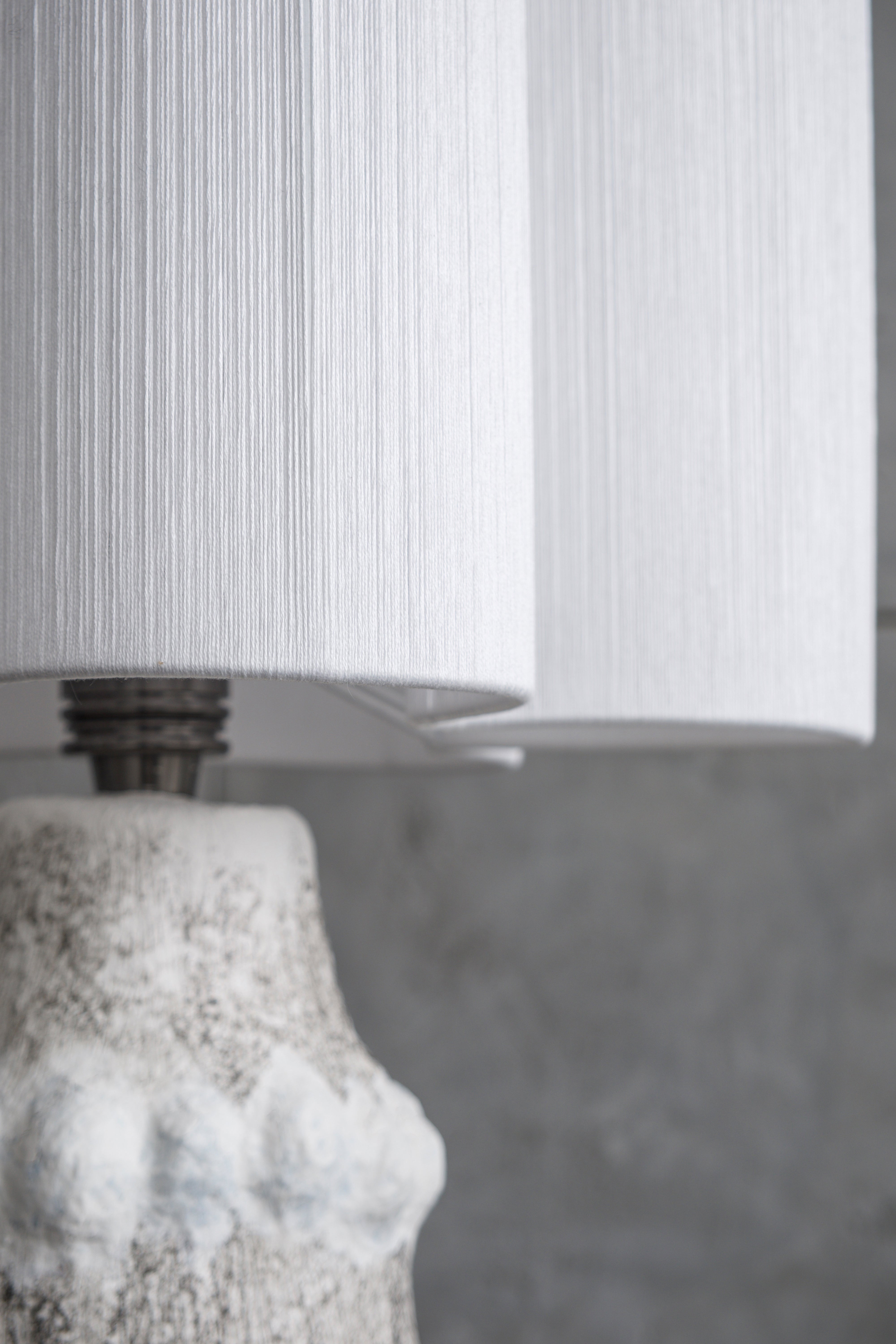
Design Tokyo 2026 — the essence of contemporary Japanese design
Design Tokyo is one of Asia’s most influential design exhibitions, representing the refined philosophy of contemporary Japanese design. The event takes place in Tokyo, Japan, from July 1 to July 3, 2026, bringing together interior designers, architects, manufacturers, and studios focused on precision, material purity, and spatial harmony.
For interior designers, Design Tokyo serves as a vital reference point for understanding how Japanese aesthetics influence global interior architecture.
Why interior designers search for Design Tokyo
Designers researching Design Tokyo are typically seeking clarity, restraint, and depth.
Japanese design is widely admired for its minimalism, balance, and emotional calm. Designers follow the exhibition to study how light, shadow, and material interact within space rather than dominate it.
As interest in Japandi and architectural minimalism grows, Design Tokyo continues to generate strong international search demand.
Design philosophy shaping Design Tokyo 2026
Design Tokyo 2026 highlights interiors built around the principles of simplicity, emptiness, and intention.
Objects are reduced to essential form. Every element serves purpose and meaning. Negative space becomes as important as physical structure.
This philosophy allows interiors to feel timeless, quiet, and contemplative.
Lighting trends in Japanese interiors
Lighting plays a central role in Japanese spatial design.
At Design Tokyo 2026, designers focus on soft diffused illumination, paper-like textures, and layered light zones. Shadows are treated as design elements equal to light itself.
Floor lamps and ambient luminaires create atmosphere without visual intrusion.
For interior designers, these principles demonstrate how lighting shapes emotional experience rather than visibility.
Materials and craftsmanship
Material honesty defines Japanese design culture.
Designers work with wood, paper, clay, stone, linen, metal, and contemporary composites. Surface texture and aging are embraced rather than concealed.
Craftsmanship is subtle and precise, emphasizing quiet excellence over visual display.
Collectible design and functional art
Design Tokyo 2026 presents collectible objects that blend art and everyday function.
Limited-edition lighting and furniture pieces emphasize restraint, balance, and tactile beauty. Objects exist harmoniously within space rather than commanding attention.
This approach supports interiors centered on mindfulness and longevity.
Applying Japanese design concepts in interior projects
Interior designers apply insights from Design Tokyo through spatial clarity and lighting hierarchy.
Concepts translate into controlled material palettes, warm minimal lighting, and architectural silence. Designers adapt these principles across residential, hospitality, and wellness interiors.
Japanese design offers a counterbalance to visual excess.
Lighting aligned with Japanese design philosophy
The design language emerging from Design Tokyo emphasizes calm form, organic texture, and atmospheric light.
Lighting studios working within this philosophy deliver solutions that support emotional balance and spatial flow.
PletoStudio develops sculptural lighting aligned with these values, offering designers objects that bring warmth, texture, and quiet presence into contemporary interiors.
Trade program for interior designers
For interior designers and architectural studios, PletoStudio offers an individual professional trade program supporting international projects.
The program includes designer pricing, project quotations, customization options, and access to material samples upon request. It supports residential, hospitality, and curated interior environments.
Final perspective
Design Tokyo 2026, held from July 1 to July 3, 2026, reflects the enduring influence of Japanese philosophy on global interior design.
For interior designers, the exhibition provides essential insight into how light, material, and emptiness shape spaces of calm, balance, and meaning.


