



Madrid Design Festival 2026 — a key design event in Southern Europe
Madrid Design Festival has become one of the most influential design platforms in Southern Europe, bringing together interior designers, architects, industrial designers, and creative studios from across the continent. Unlike traditional trade fairs, the festival functions as a city-wide design program that connects exhibitions, talks, installations, and cultural venues.
For interior designers, Madrid Design Festival 2026 offers a broad perspective on how contemporary design intersects with architecture, art, craftsmanship, and urban culture. The event reflects how Mediterranean identity, modern European design thinking, and sustainability increasingly shape interior spaces.
Why interior designers search for Madrid Design Festival
Designers researching Madrid Design Festival are typically looking for inspiration that goes beyond product launches. The festival is known for presenting conceptual approaches to space, light, and material rather than purely commercial collections.
Interior professionals follow the event to understand emerging aesthetics, regional influences, and new interpretations of contemporary living. Many designers use the festival as a reference when developing residential and hospitality interiors that require warmth, character, and cultural depth.
As a result, Madrid Design Festival generates strong online interest among interior designers seeking creative direction.
Design themes shaping Madrid Design Festival 2026
Madrid Design Festival 2026 emphasizes emotional connection within interior design. Spaces are no longer designed solely for function; they are created to evoke atmosphere, comfort, and identity.
Designers explore softer geometries, tactile surfaces, and spatial fluidity. The boundaries between furniture, lighting, and architecture become increasingly subtle, allowing interiors to feel cohesive and intentional.
This approach supports the growing demand for interiors that balance contemporary clarity with human warmth.
Lighting trends emerging from Madrid Design Festival
Lighting plays a central role in the festival’s spatial narrative. Designers investigate how light can enhance texture, emphasize architectural rhythm, and shape emotional experience.
Ambient lighting, sculptural floor lamps, and warm diffused sources dominate installations. Rather than brightness, the focus lies on tone, shadow, and gradual transitions.
For interior designers, these lighting concepts provide valuable guidance for creating inviting residential interiors and refined hospitality environments.
Materials, craftsmanship, and sustainability
Material culture remains a core element of Madrid Design Festival. Designers highlight natural materials such as wood, clay, stone, wool, linen, and mineral surfaces.
Craft traditions are reinterpreted through contemporary techniques, creating a dialogue between heritage and innovation. Sustainability is treated as an integrated design principle rather than a separate category.
This material direction supports interiors that age gracefully while maintaining ecological responsibility.
Collectible design within contemporary interiors
Madrid Design Festival increasingly showcases collectible design as part of functional living spaces. Limited-edition furniture and lighting objects introduce narrative depth and artistic presence.
For interior designers, collectible pieces allow interiors to feel curated rather than standardized. Lighting objects with sculptural character often become focal points within residential and boutique hospitality projects.
This trend reinforces the importance of individuality in contemporary design.
How designers apply festival insights in real projects
Interior designers interpret Madrid Design Festival concepts through proportion, material selection, and lighting strategy rather than direct imitation.
The festival serves as a conceptual framework helping designers refine their own aesthetic language. Ideas explored during the event often influence project atmospheres, color temperatures, and spatial composition.
This adaptability makes the festival especially valuable for designers working across diverse project typologies.
Lighting solutions aligned with festival aesthetics
Design directions presented at Madrid Design Festival highlight the need for lighting that blends sculptural expression with architectural restraint.
Studios working with organic form, natural materials, and atmospheric light integrate seamlessly into interiors inspired by the festival. Such lighting supports emotional warmth without visual excess.
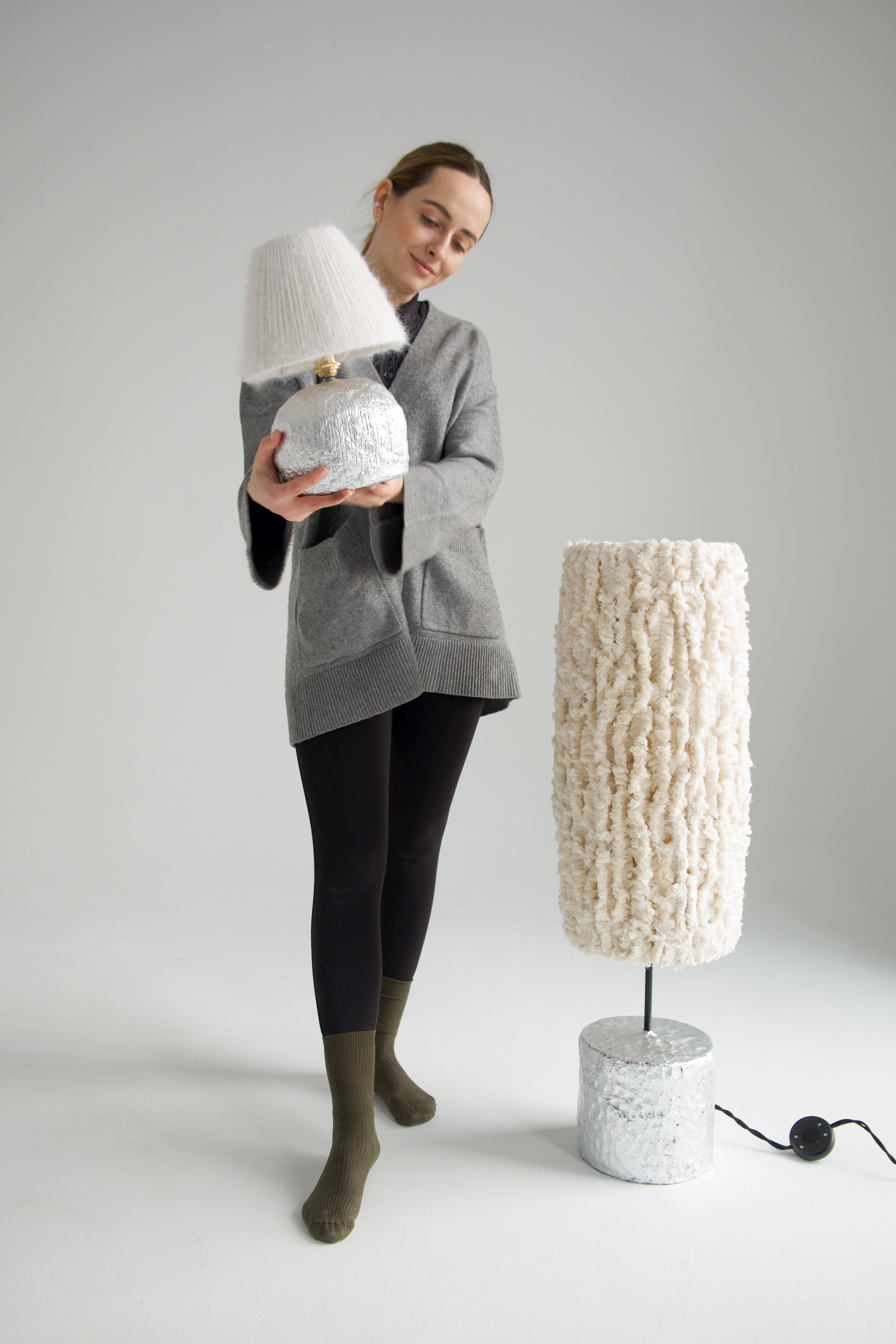
PletoStudio develops sculptural lighting objects aligned with these principles, offering designers solutions suitable for refined contemporary interiors.
Trade program for interior designers
For interior designers and architectural studios, PletoStudio provides an individual trade program developed for professional collaboration.
The program includes designer pricing, project-based quotations, customization options, and access to material samples. It supports residential, hospitality, and curated commercial projects requiring distinctive lighting solutions.
This structure allows designers to integrate sculptural lighting confidently within complex interior concepts.
Final perspective
Madrid Design Festival 2026 reflects a growing shift toward emotionally intelligent interiors, material authenticity, and warm minimalism.
For interior designers, the festival offers valuable insight into how culture, light, and craftsmanship shape contemporary spaces. Its influence continues to extend beyond Spain, contributing to the broader European design dialogue.


