



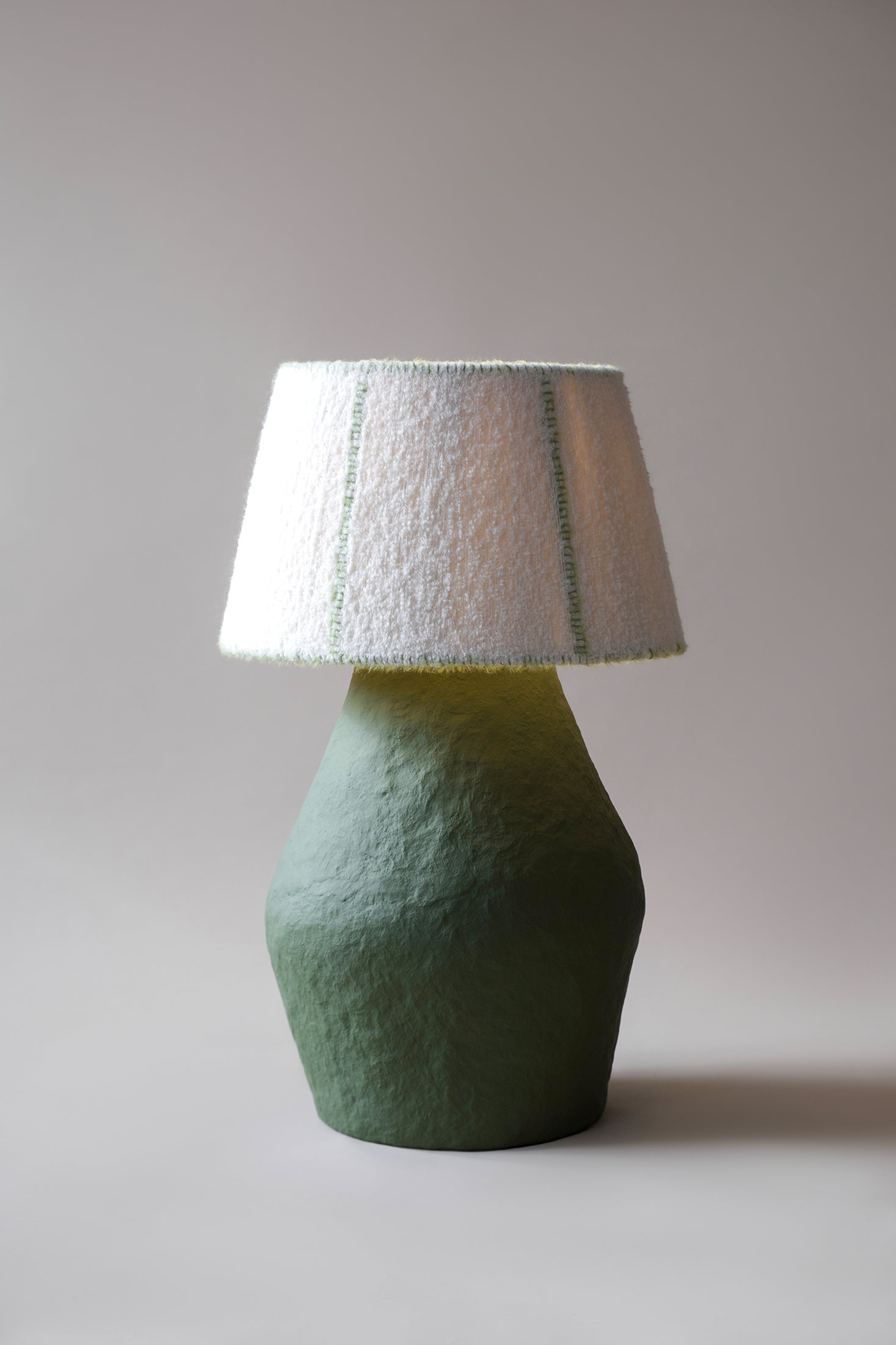
The idea of a “well-decorated home” is disappearing.
In 2025, the most influential interior trend in the U.S. is not a style — it’s a mindset: the home as a curated gallery.
These are not houses filled with objects.
They are houses that give objects space to exist — just like museums do.
The walls are quiet.
The palette is neutral.
The furniture is sculptural.
The lighting is emotional.
The room is not “finished” — it is composed.
This is the architecture of the gallery home.
✅ What Defines a Gallery Home?
Not the price of objects
Not the size of the home
Not the designer label on the furniture
A gallery home has:
sculptural anchor pieces instead of furniture sets
negative space used intentionally, not left as “empty”
raw or tactile materials — stone, clay, wool, charred wood, biocomposite
lighting used as spatial sculpture, not illumination
a limited number of objects with high emotional and material weight
a sense of silence — nothing fights for attention
objects placed as if they were being exhibited, not stored
It is not a home full of things.
It is a home full of presence.
✅ Why Buyers Are Choosing Gallery Homes Instead of Decorated Homes
Because traditional luxury interiors feel outdated — they look expensive but not meaningful.
Because people no longer want “showroom perfection” — they want authorship.
Because a gallery home is not for guests — it is for the owner’s emotional experience.
Because people want their home to feel like an extension of their identity, not an imitation of Pinterest.
The gallery home is not minimalism.
It is curation of emotion through objects.
✅ Where This Movement Started
New York — collector apartments in Tribeca, Chelsea, and West Village
Los Angeles — earth-tone brutalist houses in Silver Lake, Topanga, Malibu
Austin — slow living, material-driven architecture with sculptural interiors
Miami — art-meets-living spaces influenced by Design Miami and Art Basel
Mexico City — concrete modernism with artisanal object placement
Then it spread to:
Toronto, Paris, Berlin, Stockholm, Dubai, Seoul — and eventually mainstream design press.
✅ What Lives Inside a Gallery Home
Not “furniture”, but:
a sculptural floor lamp with matte mineral texture
a monolithic coffee table shaped like a landform
a textile-wrapped mirror, treated like wall sculpture
a burned-wood side table with visible cracks
a wool or fiber piece that softens concrete or stone
a small number of objects that carry emotional gravity
Every object has a reason to exist, not just a place to sit.
✅ The Business Impact: Why Studios Must Understand This Shift
Because gallery homes are not being filled room-by-room or season-by-season.
They are built object-by-object.
The buyer doesn’t want 20 SKU variations.
They want 1 unforgettable piece.
The designer doesn’t want a full catalog.
They want a single sculptural form that becomes the room.
Studios that speak to “decor buyers” will disappear.
Studios that speak to “curator buyers” will grow.
✅ This Is Not a Trend — It Is a Redefinition
Decor is temporary.
Curation is permanent.
Styling fills space.
Curation creates space.
The home used to be a private comfort zone.
Now it is a private exhibition — one that evolves over time, just like a collection.
People are not furnishing anymore.
They are collecting where they live.


