



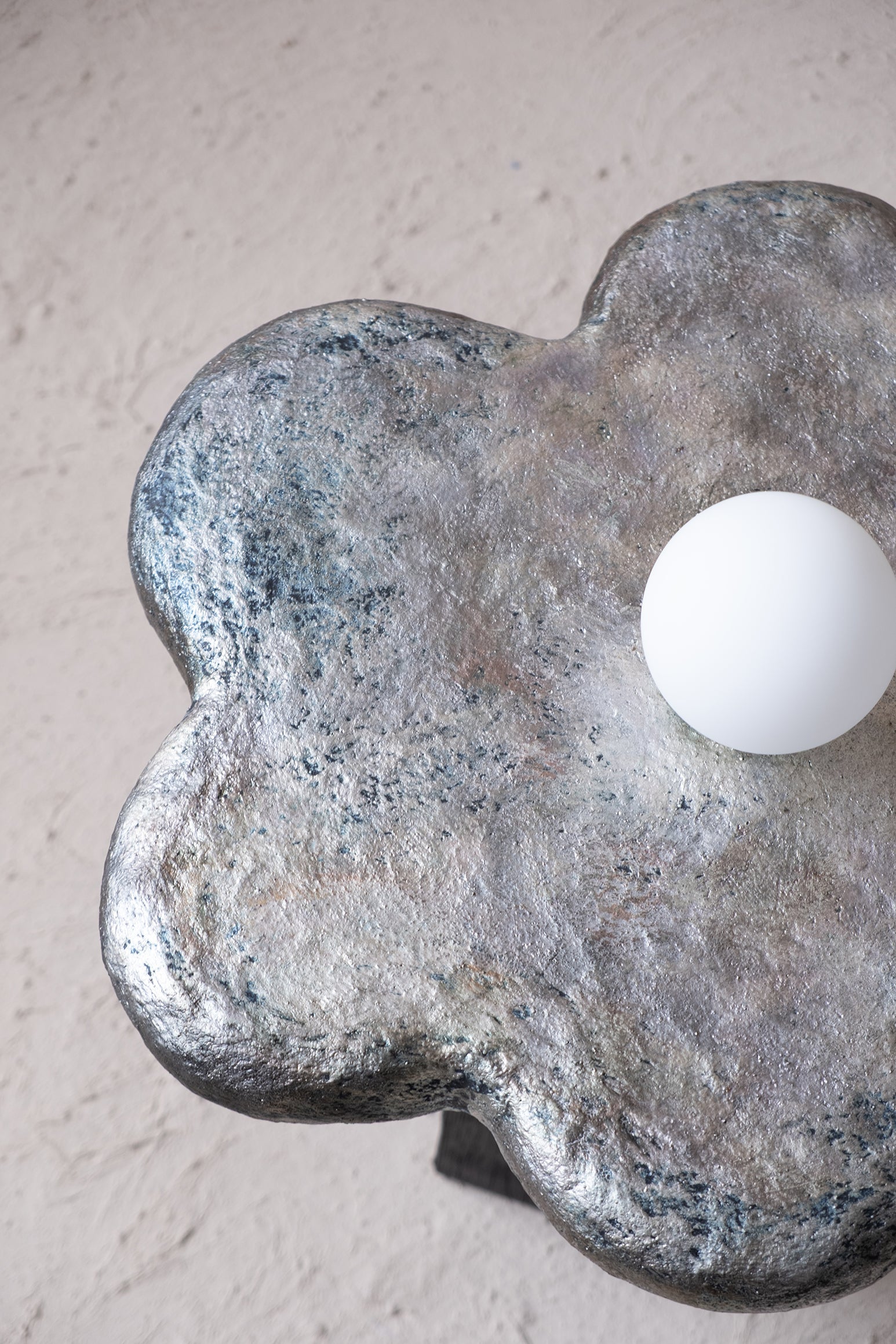
The shift from “decorated interiors” to sculptural, curated, emotionally anchored spaces is not a quiet trend — it is a geographical movement. In the U.S., this evolution is happening fastest in five cities where architecture, collecting culture, and design identity intersect.
These cities are not united by aesthetic — they are united by mindset: fewer objects, more meaning. Limited editions instead of mass retail. Emotional function instead of decorative styling.
✅ 1. New York City — The Collectible Capital
New York remains the core of the U.S. collectible design economy.
Why? Because it has the highest concentration of galleries, architect-led homes, and design-aware buyers in the country.
Key forces:
The Future Perfect, Friedman Benda, R & Company, Carpenters Workshop Gallery
Design fairs like Salon Art + Design & NYCxDesign
Architecture firms designing “art-living residences” in Tribeca, SoHo, Chelsea
Collectors who buy furniture the same way they buy art
NYC interiors rarely follow trends — they set them, through material presence and sculptural placement rather than color palettes or styling rules.
✅ 2. Los Angeles — Earth Material + Soft Brutalism Hub
LA is leading the movement toward organic modernism: raw clay objects, fiber lamps, plaster walls, sculptural furniture with warm brutalist edges.
What drives the shift:
Film, architecture, and wellness culture blending into interior identity
Demand for tactile, emotional, slow-made objects in high-end homes
Studios like BZIPPY, Faina (U.S. branch), Atelier de Troupe, Bradley Duncan
Architects building “gallery homes” in Laurel Canyon, Silver Lake, Malibu
LA design is not minimalist — it is material spiritual. Nothing glossy. Nothing perfect. Everything sensorial.
✅ 3. Miami — Where Art and Home Merge
Miami is the first U.S. city where functional art and fine art truly merged into one buying behavior.
Driving forces:
Design Miami fair
Art Basel influence
Latin-American sculptural heritage and strong collector culture
New wave of boutique developers using collectible lighting in penthouses
Miami homes don’t hide objects — they stage them.
Scuptural lamps, monolithic tables, warm stone surfaces, organic textures — all placed like art in a private exhibition.
✅ 4. Austin — The Unexpected Design Power City
Austin is the fastest-growing interior design hub for soft brutalism + architect-led homes.
Why it matters:
Young high-net-worth homeowners with “anti-luxury luxury taste”
Architect studios like ICON, Side Angle Side, Lake Flato
Interiors built from clay, hemp, biocomposite, raw timber, matte stone
Collectors who want objects with soul, not shine
Austin buyers want emotional ownership — not status ownership.
Studio-made > brand-made.
Material weight > visual trend.
Object presence > decorative filling.
✅ 5. San Francisco / Bay Area — Tech Collectors Turn Materialists
Silicon Valley was once defined by “white-box minimalism.”
Now, the taste has flipped.
Key points:
Tech founders investing in sculptural, handmade, non-digital objects
Partnerships between designers + architects + galleries
Demand for objects that feel alive in contrast to digital worlds
Private homes built as “anti-screen environments”
Nothing glossy. Nothing fast.
Biomaterials, wood, wool, stone, matte metal, slow craft.
The new idea: Luxury is not automation — it is tactility.
✅ What Unites These 5 Cities
not trend-following, but taste-shaping
not mass retail, but direct-to-studio sourcing
not “luxury decor,” but collectible objects with identity
not minimalism, but material honesty
not object placement, but spatial curation
This is why IKEA sells globally — but sculptural studios scale quietly through New York, LA, Miami, Austin, and SF.
These cities are not mainstream.
They are the future of interior culture.


